
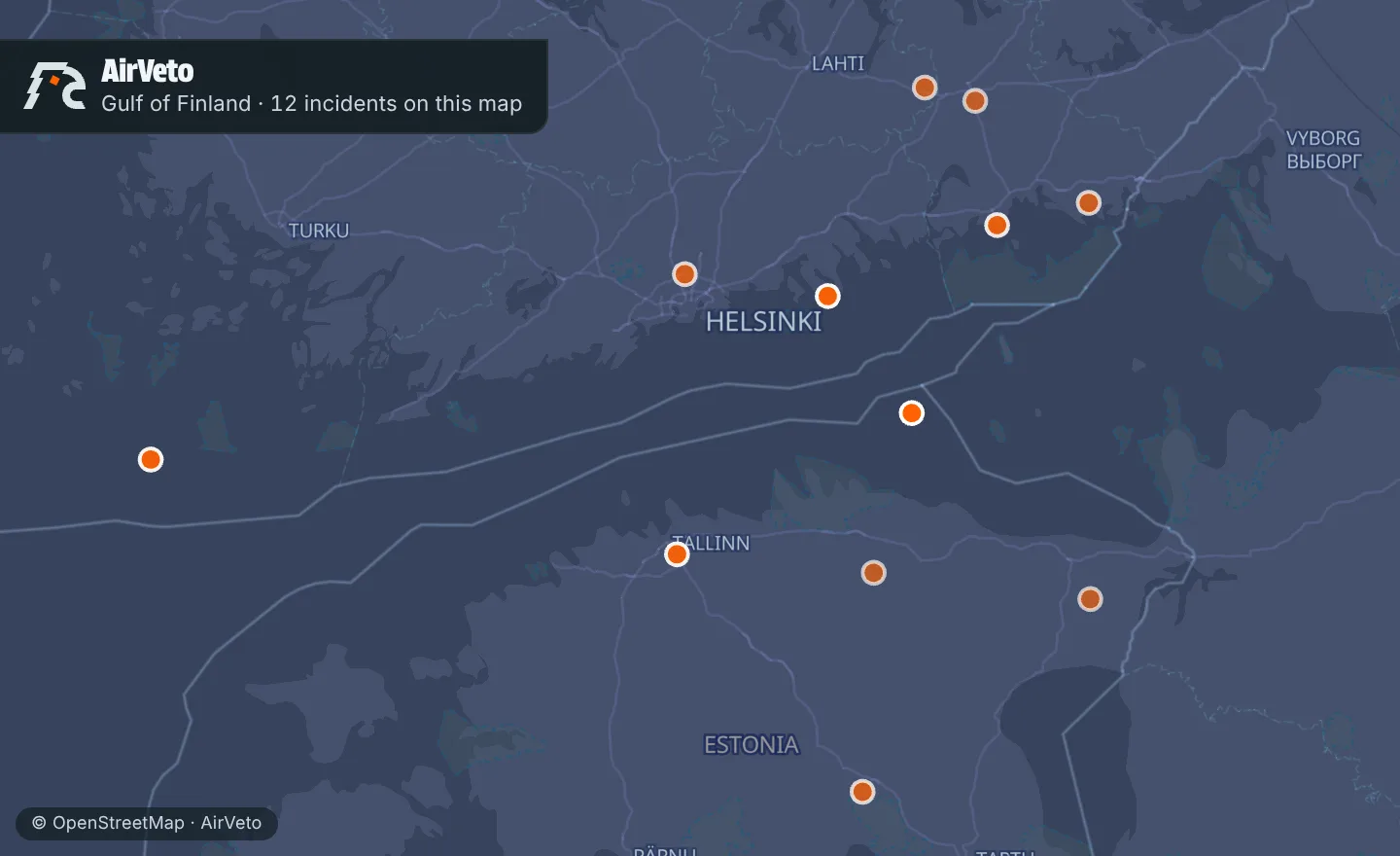
Incidents at this location
- 🇫🇮 · Sep 23, 2026 · International airspace over the Gulf of Finland
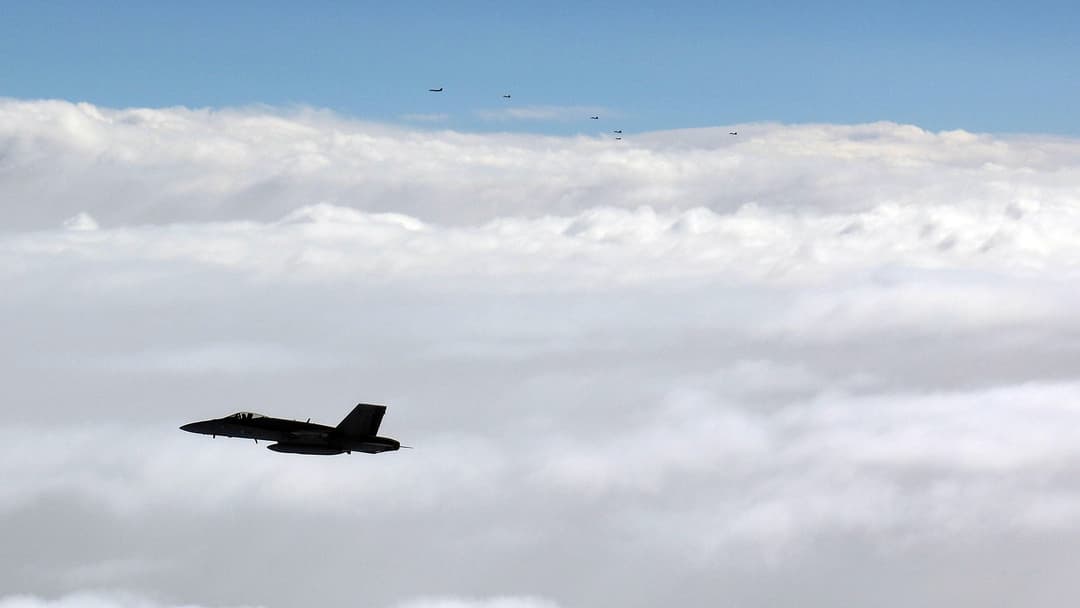
Gulf of Finland, 24 Sep 2026 - Finnish and Swedish jets intercept
Finnish and Swedish fighter jets jointly intercepted a Russian Tu-134, MiG-31s and Su-30s over the Gulf of Finland on September 24, 2026, their first joint mission. - 🇫🇮 · Sep 1, 2026 · Pellinki archipelago
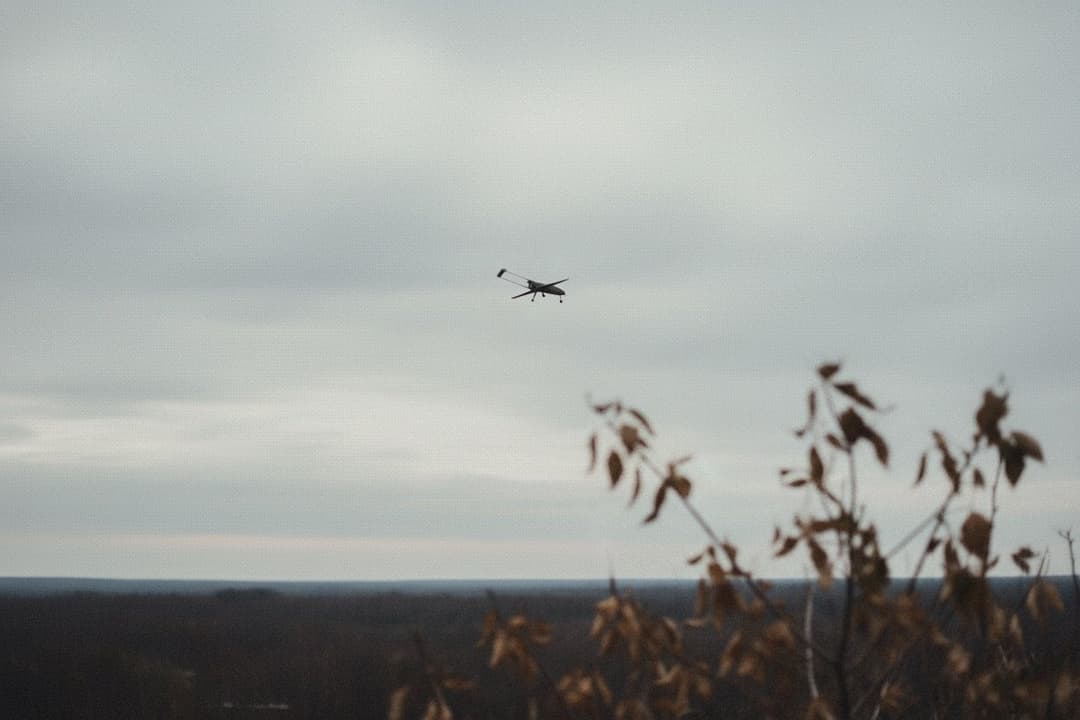
Russian Geoscan drone washes up on Finland's coast, 1 Sep 2026
A Russian-made Geoscan 701 mapping drone washed up near Porvoo, Finland, on September 1, 2026; Russia had already warned Finland that a civilian mapping drone had gone missing. - 🇫🇮 · Aug 20, 2026 · South of Utö island
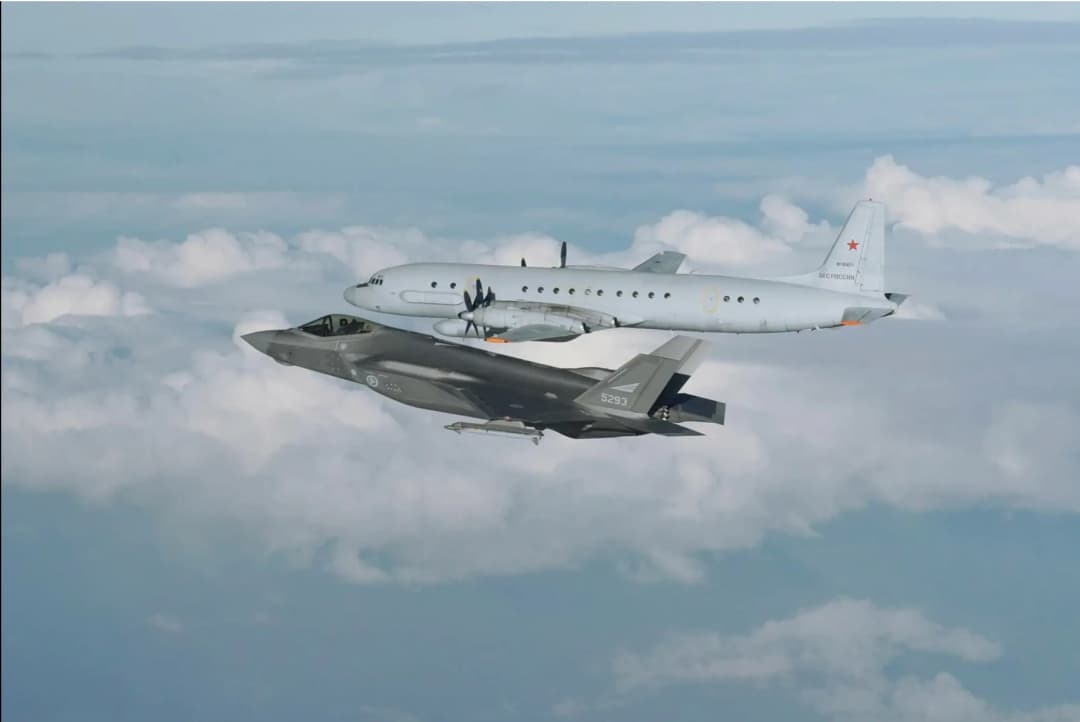
Russian Il-20 crosses into Finnish airspace, 20 Aug 2026
A Russian Il-20 reconnaissance aircraft crossed roughly 8.7 km into Finnish airspace south of Utö island on August 20, 2026, staying for about three minutes; Finland summoned Russia's ambassador. - 🇫🇮 · Jul 18, 2026 · Eastern Gulf of Finland
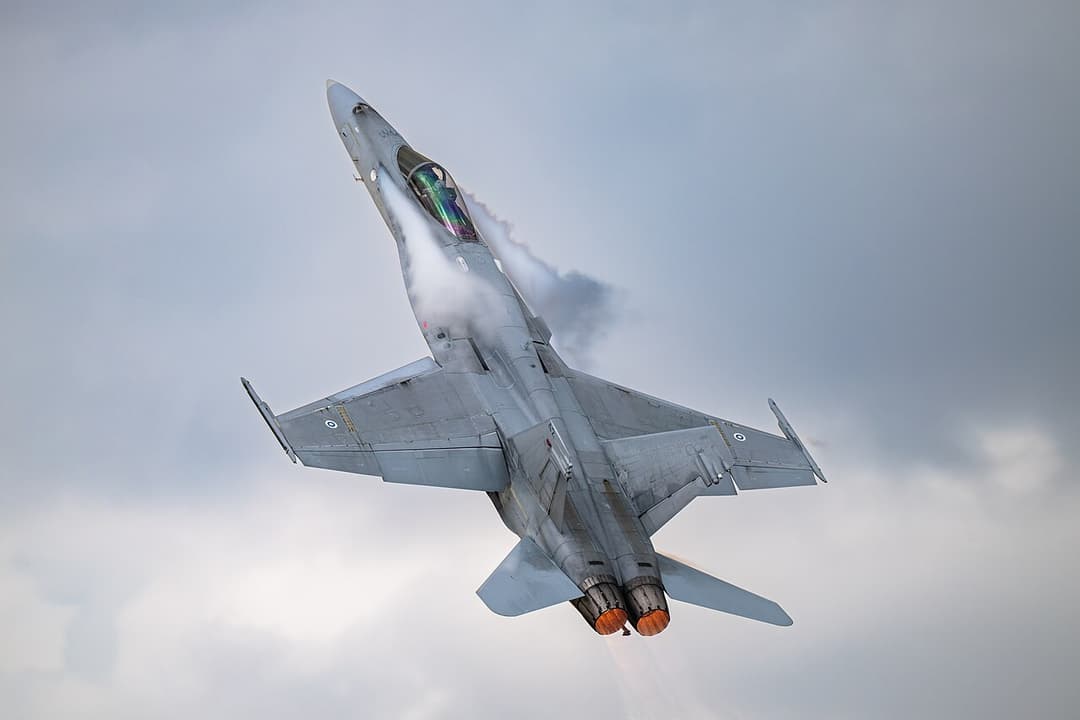
Kotka drone alerts, July 2026 - four Gulf of Finland closures
Finland imposed four temporary airspace and maritime restrictions on the eastern Gulf of Finland between 2 and July 18, 2026, each linked to Ukrainian drone strikes near St Petersburg. - 🇫🇮 · May 15, 2026 · Helsinki-Vantaa International Airport
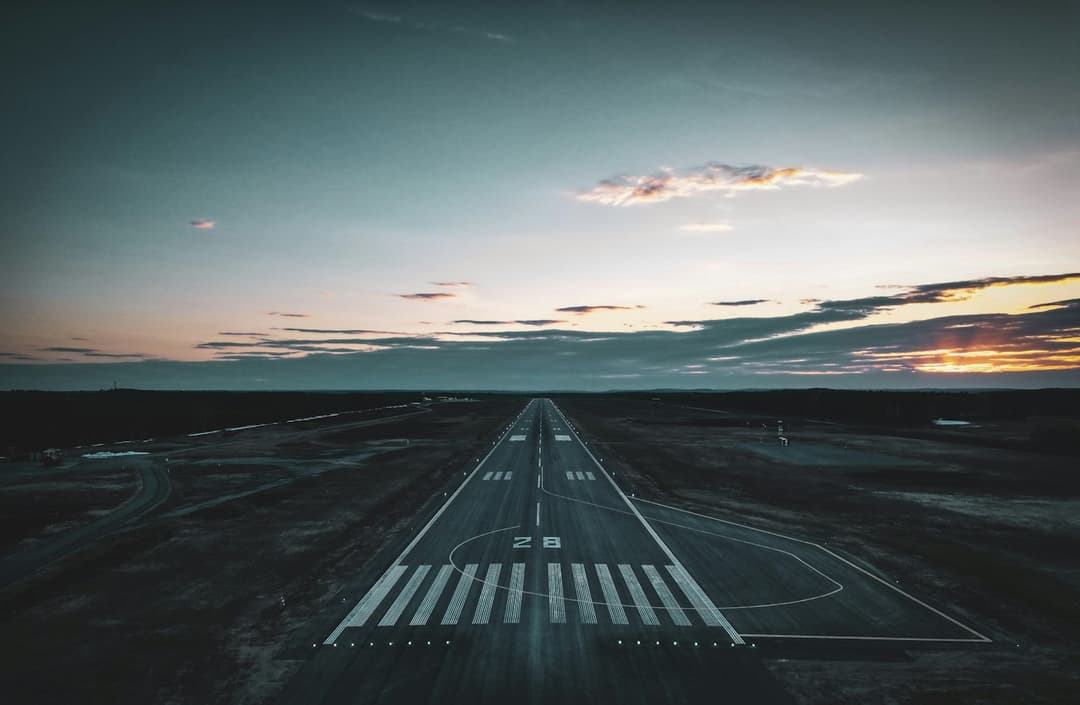
Drone closes Helsinki-Vantaa airport in first-ever HEL shutdown
A drone alert closed Helsinki-Vantaa airport 04:00–07:19 EEST on May 15, 2026, triggering shelter-in-place for 1.8 million people; flights diverted to Stockholm and Rovaniemi. - 🇫🇮 · May 3, 2026 · Virolahti and waters southeast of Hamina
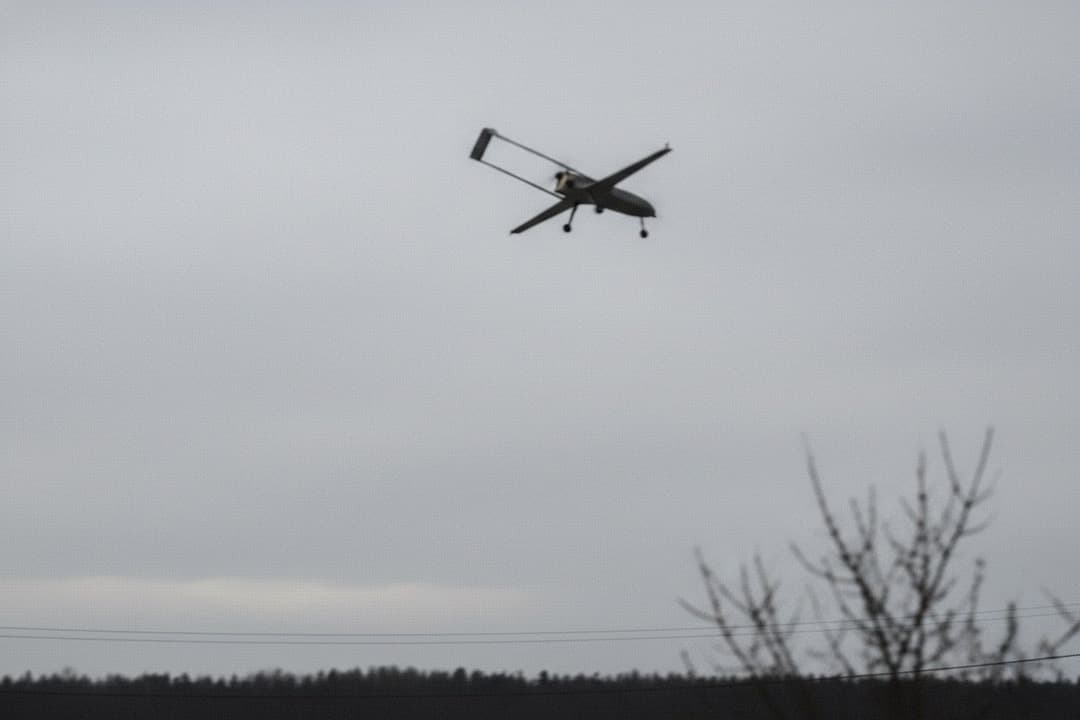
Two drones cross into Finnish airspace near Virolahti
Two drones crossed into Finnish airspace near Virolahti and off Hamina in the early hours of May 3, 2026, then exited toward Russia; investigators later attributed them to Ukraine. - 🇫🇮 · Apr 11, 2026 · Perheniemi
Ukrainian drone warhead detonates near Iitti, Finland
A Ukrainian drone with an unexploded warhead crashed in Perheniemi, Iitti, Finland on April 11, 2026; EOD detonated it around 20:00 EEST. NBI opened two probes. - 🇪🇪 · Mar 30, 2026 · Lääne-Viru and Ida-Viru counties

Seven-county drone alert triggers EE-ALARM across Estonia
Estonia issued EE-ALARM across seven counties overnight on March 30–31, 2026 after the EDF reported potential drone sightings. A Finnair flight turned back; the alert cleared by 06:00 on 31 March. - 🇫🇮 · Mar 29, 2026 · Oravala
Ukrainian drones crash near Kouvola, Finland after EW jamming
Two Ukrainian drones crashed in southeastern Finland on March 29, 2026 after Russian EW jamming diverted them from a Ukrainian strike on Ust-Luga oil terminal.
Related reading
- 2026-06-16
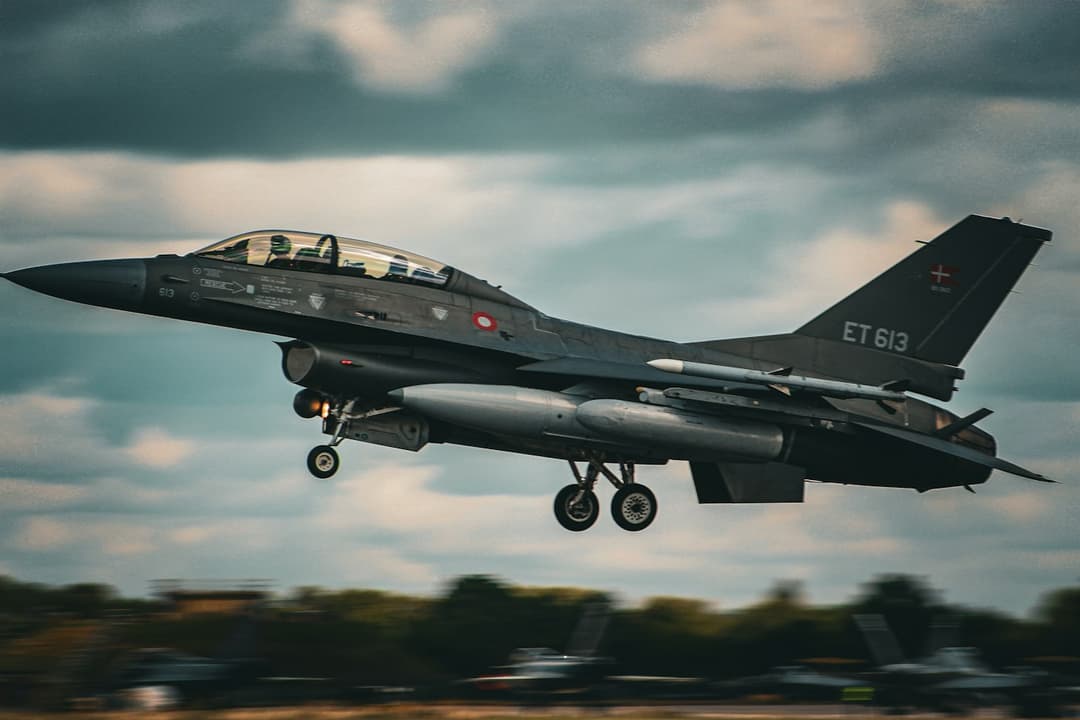
Baltic Air Policing: Who Scrambles, and When Do They Shoot?
How NATO's Baltic Air Policing works: the two bases, the rotation, and what it took to go from scramble to shoot-down in May and June 2026. - 2026-07-03

Ukraine's Long-Range Sanctions Cut Russia's EU Rail Links
Zelenskyy calls Ukraine's refinery strikes 'long-range sanctions.' On 1 July, Russia closed seven rail crossings with Finland, Estonia and Latvia - no explanation given. The target zone explains it. - 2026-07-03

The Drone Campaign That's Emptying Russian Petrol Stations
Ukraine has struck over 50 Russian oil facilities since March. About a third of Russia's refining capacity is offline. Putin acknowledged queues at petrol stations last week. - 2026-08-01
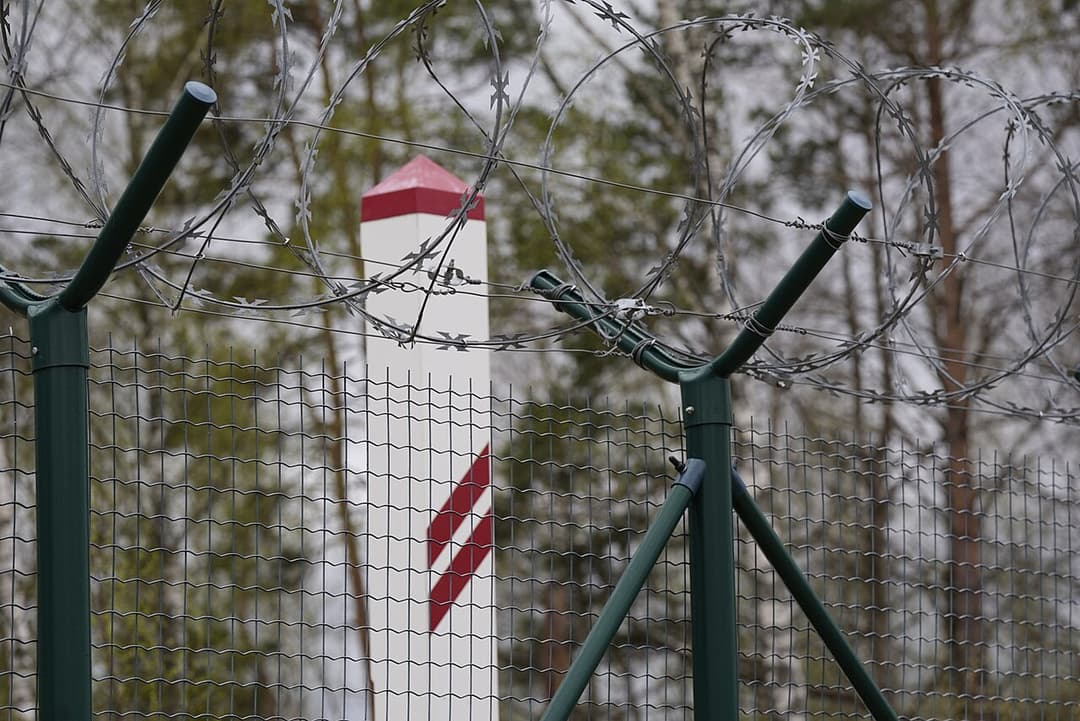
Latvia's Belarus border closure exposes an infrastructure gap
Belarus redirected migrant pressure onto Latvia's border in 2026. Two unfinished infrastructure layers explain the strain: surveillance and rail. - 2026-08-10
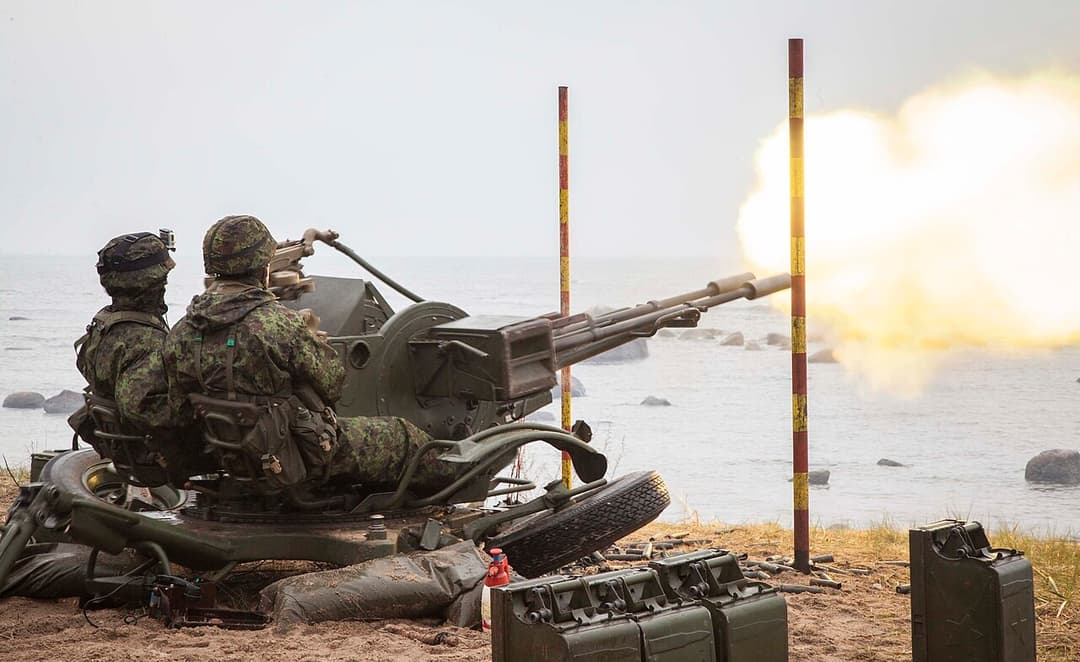
How the Baltics Stopped Hesitating Before Shooting Down Drones
Latvia's government fell over a drone it didn't shoot down. Twelve days later Estonia shot one down for the first time. Lithuania needed two separate laws to remove the hesitation for good.
Methodology: see /about/methodology. AirVeto is situational awareness and decision support, used alongside official systems. It does not replace them.