

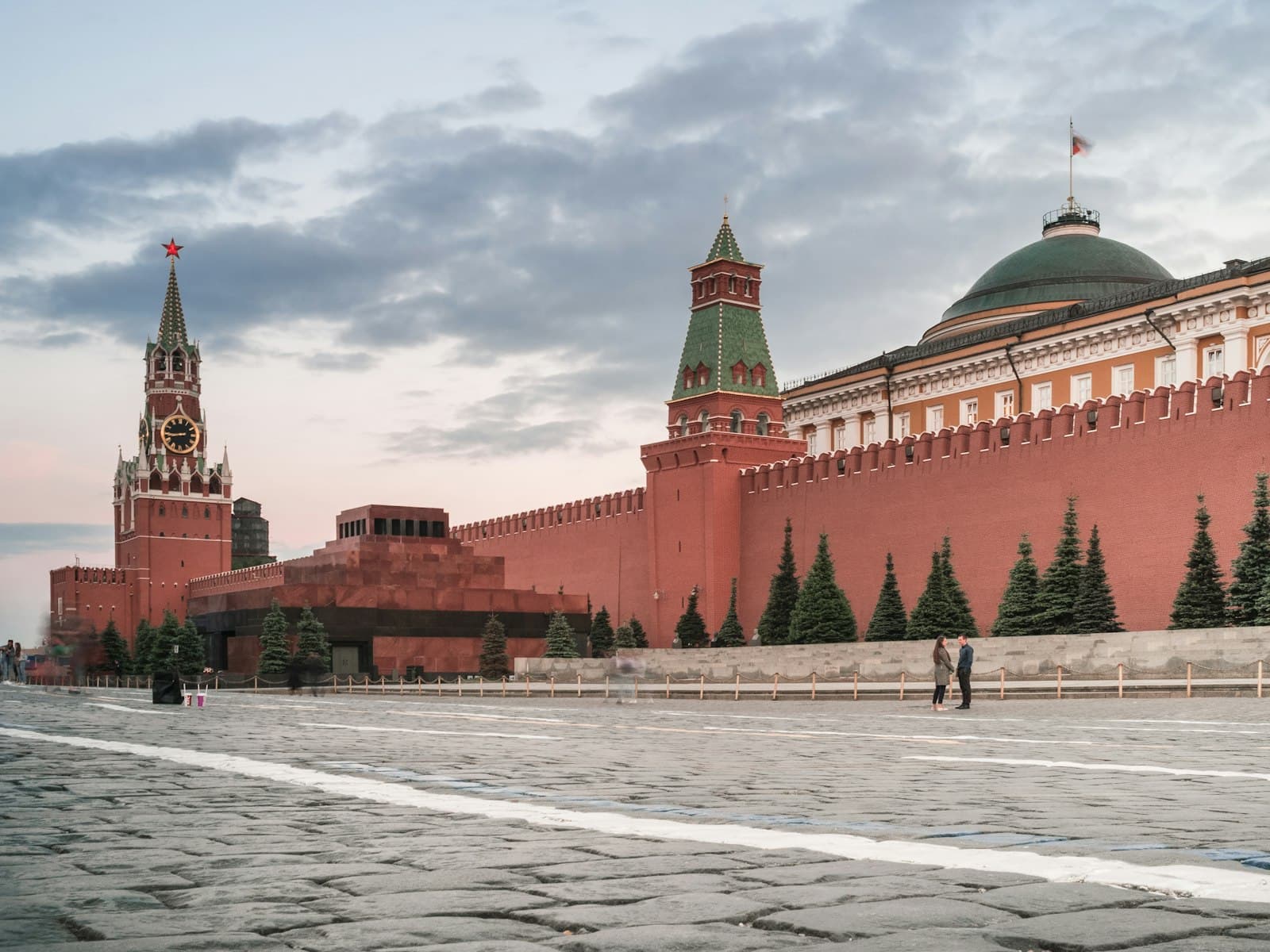
Ukraine launched its largest drone strike yet on the Moscow region overnight into September 20, 2026, the final day of Russia's three-day State Duma election, Al Jazeera reported. Moscow Mayor Sergei Sobyanin said more than 1,600 drones were intercepted, 450 of them headed for the capital; Moscow Region Governor Andrey Vorobyov said three people were killed and a fire from a drone crash into a 21-story building forced 400 residents to evacuate. A Moscow oil refinery was also damaged.
Ukraine says it hit the war's revenue, not the election
President Volodymyr Zelensky wrote on X that "our long-range responses had a very significant impact in the Moscow region last night," naming "one of Russia's key oil industry facilities and the aggressor's logistics facility" as targets - "billions of dollars that sustain the war machine." Sobyanin framed it differently, calling it "clearly planned with the aim of disrupting the elections" and adding "the enemy did not succeed." Al Jazeera's own Moscow correspondent, Dmitry Medvedenko, said he had "not seen numbers this large in the four and a half years of this conflict."
LRT reports the vote's outcome was never in doubt - independent of the strike
Russia's Duma election was already a settled question before a single ballot was counted, according to LRT's own reporting: the results "are already clear within the presidential administration," and the paper describes a process with "almost no intrigue, real competition, or room to express public discontent" - no independent observers, and a ruling-party dominance analysts don't treat as a live outcome.
The one real disruption to that script came from inside the system. Russia's Supreme Court unexpectedly banned the Yabloko party, the sole registered anti-war party, from the ballot in August, after its polling had climbed to roughly 9-11%. Finnish Institute of International Affairs researcher Jussi Lassila told LRT the ban backfired: the Kremlin's apparent original plan was to let Yabloko's support stay marginal enough to point to as evidence of a "democratic facade."
LRT's own sourcing complicates the mobilization question, rather than confirming it
Zelensky told CNN on August 23, 2026, that he expects Russia to mobilize more troops now that its elections are over: "We are confident that following the elections, they will carry out a mobilization. We believe this will not take place in the major cities." LRT's reporting on the same election cuts the other way: it cites analysis holding that a new mass mobilization is considered less likely immediately after the vote, precisely because of the political risk a repeat of 2022's mobilization backlash would carry - the more probable path, per that reporting, is pressure to keep recruiting for the front through less visible means as voluntary enlistment weakens. AirVeto is not choosing between these two sourced expectations; they disagree, and no announcement has been made either way as of publication.
The live map shows current conditions over the Baltic region.