
Baltic Sea, 16 Jul 2026 - Su-30 and Il-20M intercepted
Polish QRA fighters intercepted two Russian Su-30s then an Il-20M in the same sortie over the Baltic Sea on July 16, 2026, 30 km north of Jastrzębia Góra.
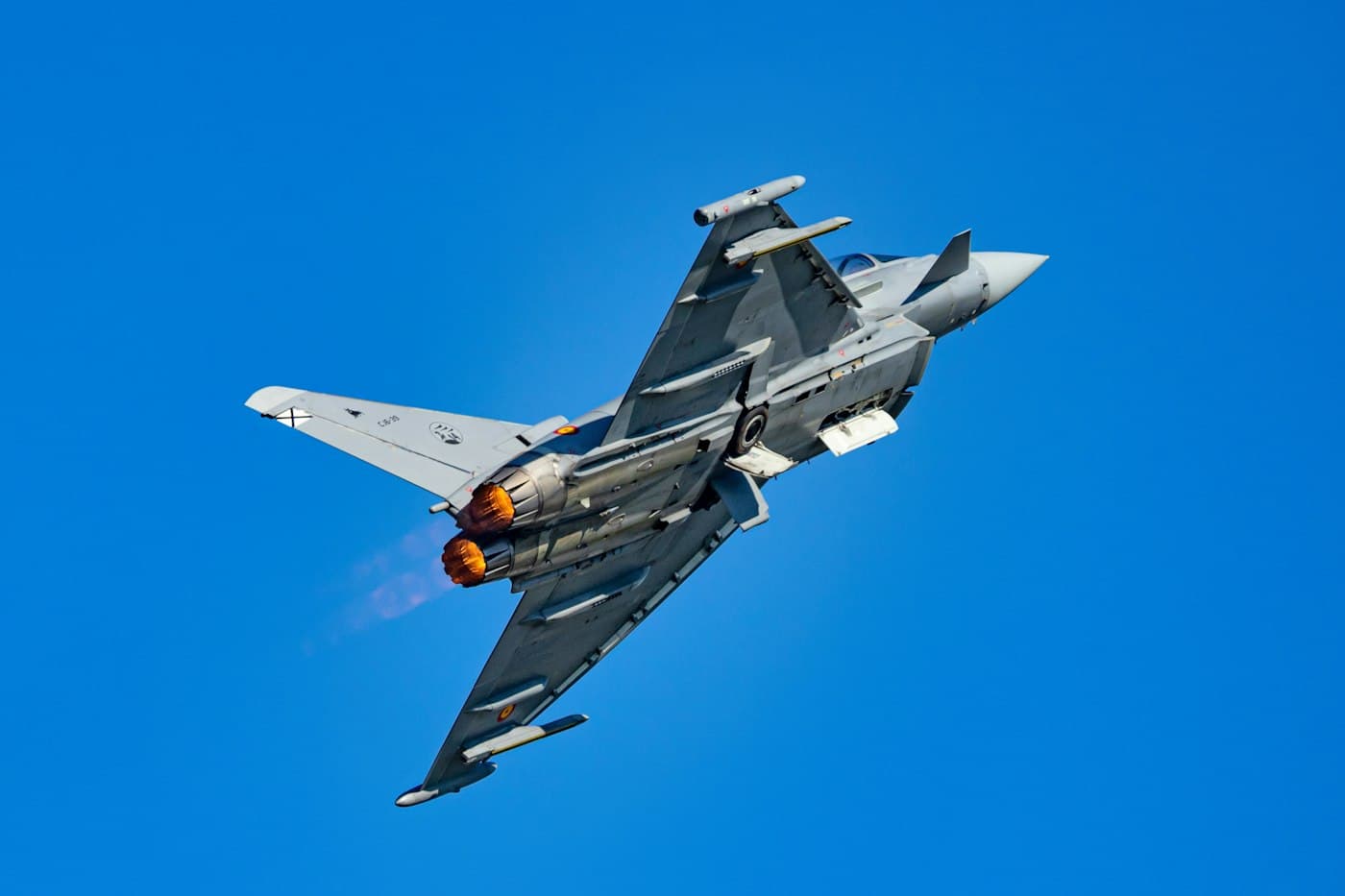
On July 16, 2026, Polish quick reaction alert fighters from Malbork intercepted two Russian Su-30SM multirole aircraft over the Baltic Sea, then - in the same sortie - were redirected to intercept a Russian Il-20M signals intelligence aircraft approximately 30 km north of Jastrzębia Góra. Polish Defence Minister Władysław Kosiniak-Kamysz confirmed both contacts. After the Polish escort concluded, Swedish aircraft assumed the handoff. The interceptions on 16 July followed a Su-30SM2 contact the previous day and a Russian Il-20 mission on 14 July, making three consecutive days of Russian reconnaissance activity over the southern Baltic. AirVeto's wind layer covers the Baltic approach zone during the 16 July event window.
The 16 July sortie handled two separate contacts in sequence
The unusual feature of the July 16 intercept is the double-contact structure: Polish QRA fighters from Malbork first intercepted and escorted the Su-30SM pair, then, once that contact resolved, the same crews were redirected to the Il-20M at a different position approximately 30 km north of Jastrzębia Góra. A QRA flight handling two separate Russian contacts in a single sortie imposes higher taskload than a standard single-contact intercept and gives Russian analysts additional data on how Polish QRA crews manage sequenced contacts.
The Il-20M location - north of Jastrzębia Góra rather than north of Ustka, where the 14 July Il-20 was intercepted - places it further east along the Polish coast. The two Il-20 contacts over three days approached from slightly different positions, mapping radar activation geometry from multiple angles.
The three-day sequence combined SIGINT and fighter missions
The structure of the 14–16 July sequence is specific: a dedicated SIGINT platform on day one (Il-20, pure collection), a fighter pair on day two (Su-30SM2, probing intercept timing), then a combined fighter-and-SIGINT formation on day three (Su-30SM plus Il-20M). This is not random operational activity. The combination on July 16 - escort aircraft flying simultaneously with an ELINT collector - means the Il-20M could gather radar signatures while Polish crews were already committed to handling the Su-30 contact, potentially dividing their attention during the collection window.
Poland's Ministry of National Defence has characterised the overall July pattern as deliberate "testing of NATO's readiness." Aviation24.be, reporting on July 16 as the second consecutive day of intercepts, noted that Polish forces had scrambled without pause across the three-day period.
July 16 follows established Russian patterns on the Baltic approach
Russia's reconnaissance aircraft have operated over the southern Baltic on multiple occasions in 2026. The December 25, 2025 Il-20M mission established the no-transponder, no-flight-plan profile that all subsequent missions have followed. The 20 June Kaliningrad AN-30 identification involved a three-aircraft Russian formation - a larger group than either the July 14 or 15 contacts, but operating in the same international airspace.
The July 16 mission adds a combined-formation profile not previously documented in this specific zone: simultaneous fighter and SIGINT aircraft operating in the same area with coordinated handoff to Swedish QRA as the mission progressed north.
This reconstruction draws on reporting by Poland's Ministry of National Defence (via MILMAG), Aviation24.be, Stars and Stripes, and ukranews, and on AirVeto's wind-model data for the July 16, 2026 event window. The wind layer shows atmospheric conditions over the southern Baltic Sea for the event window. Methodology: methodology.
Update - 31 July and August 3, 2026: two more Il-20 intercepts
The pattern established on 14-16 July continued into August. On 31 July, Polish F-16s intercepted a Russian Il-20 reconnaissance aircraft approximately 40 km north of Kołobrzeg, further west along the Polish coast than any of the three mid-July contacts. The aircraft stayed in international airspace, transponder off and without a filed flight plan; Poland's military reported no airspace violation. The intercept came a day after a Russian Kh-101 cruise missile crashed near Tarnawa-Kolonia in eastern Poland during a strike on western Ukraine, a separate incident already reconstructed on AirVeto.
On 3 August, Polish F-16s intercepted a Russian Il-20M approximately 60 km northwest of Łeba, east of the Kołobrzeg contact along the same coastline. Defence Minister Władysław Kosiniak-Kamysz confirmed it as the second such interception within days. As with the July missions, the aircraft flew dark and without a flight plan; Polish pilots identified it visually and escorted it from the area.
Two intercepts in four days, both west of the 14-16 July cluster, extend the same no-transponder reconnaissance profile along a longer stretch of the Polish Baltic coast than previously documented on this page.
The full archive of military airspace intercepts over the Polish Baltic approach is at Dron nad Polską.
Sources
- MILMAG - Polish aircraft intercept Russian Su-30s and an Il-20M (16 Jul 2026)
- Aviation24.be - Poland scrambles fighter jets for second consecutive day to intercept Russian aircraft (16 Jul 2026)
- Stars and Stripes - Russian surveillance flights trigger NATO intercepts over Baltic Sea (16 Jul 2026)
- ukranews - Polish fighter jets intercepted two Russian Su-30s over the Baltic Sea (16 Jul 2026)
- Kyiv Post - Polish F-16s Intercept Russian Il-20 Plane Over Baltic Sea (31 Jul 2026)
- UNITED24 Media - Polish Air Defense Forces Track and Intercept Russian Surveillance Aircraft for Second Time in Days (3 Aug 2026)
- Methodology
Last updated: