
Drone lands near Tănăsoaia - first in Vrancea County, Romania
Drone fragments were found in Tănăsoaia, Vrancea County on January 18, 2026 - the first confirmed drone find in Vrancea, adding a new county to Romania's airspace-violation record.
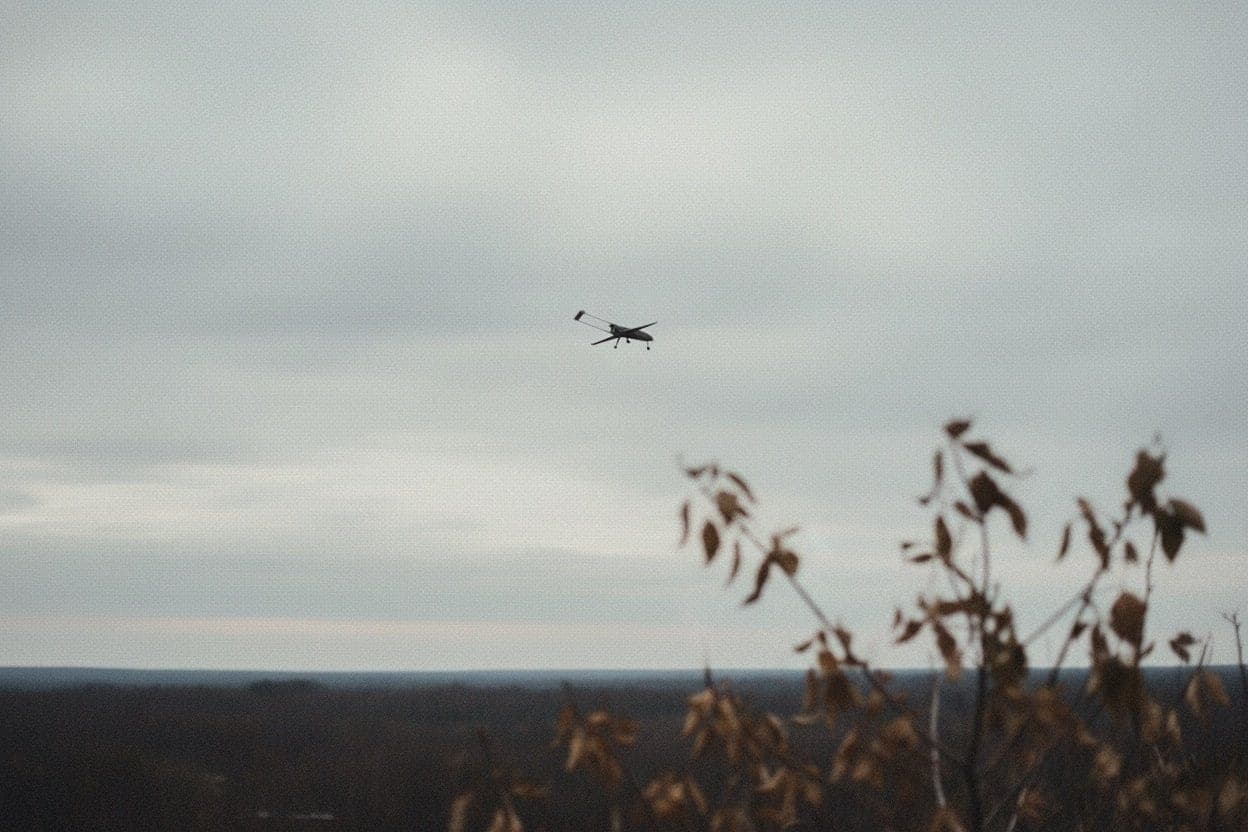
According to Romania Insider and Romania Press, drone fragments were found at Tănăsoaia, Vrancea County, Romania, on January 18, 2026 (from 00:00 UTC) - the first confirmed drone find in Vrancea County, adding a new county to Romania's airspace-violation record. The discovery expanded the geographic footprint of Romanian airspace violations from the Danube Delta inland toward the Carpathian foothills, continuing the trend established by the Puiești crash of November 25, 2025 approximately 50 km to the north. AirVeto's wind reconstruction at 1,000 m covers the Vrancea region during the January 18 window.
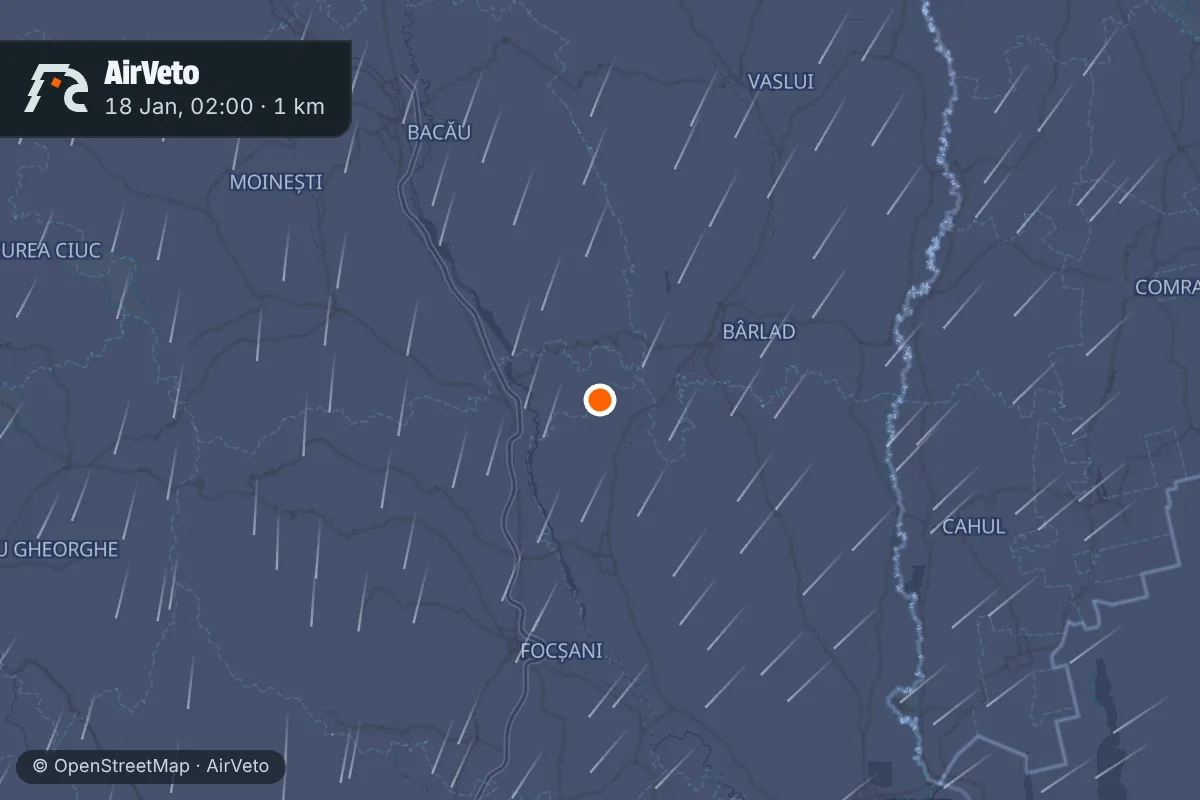
Tănăsoaia and the expanding Romanian inland footprint
Tănăsoaia is a commune in southern Vrancea County, at the edge of the Moldavian plain where it begins to rise toward the Sub-Carpathians. The location is approximately 200 km north of the Danube Delta and roughly 80 km from the Ukrainian border at the Prut river. It is well inland by the standards of the Romanian drone record before November 2025.
The progression of confirmed Romanian drone finds traces a clear geographic expansion:
- 2022–2024: events concentrated in Tulcea County and the Danube Delta (the border zone)
- September 2025 (Chilia Veche): loiter at the border, drone returned
- November 2025 (Grindu): crash in Tulcea, 20 km from border
- November 2025 (Puiești): crash in Vaslui County, 100+ km inland
- January 2026 (Tănăsoaia): fragments in Vrancea County, 80+ km from border
Each successive event extended the geographic footprint of confirmed Romanian incidents by a county or more, suggesting drones are now flying further before crashing or fragmenting - or that Romanian authorities and civilians have become more effective at recognising and reporting debris.
Fragments, not an intact drone
The Tănăsoaia find involved fragments rather than a recognisable intact vehicle, distinguishing it from the Puiești Gerbera (found whole behind a house). Fragment recovery at this location could indicate:
- A drone that disintegrated on impact and was not a compact vehicle
- Pre-impact break-up, possibly from a Ukrainian air-defence strike over Ukrainian territory that scattered debris across the border into Vrancea
- Fragmentation from an earlier flight that deposited debris at this location without a visible crash site
Romanian authorities did not publicly confirm the drone type or establish a definitive account of the fragment origin. The find was confirmed as drone debris, not a different type of ordnance.
First Vrancea entry - a new county on Romania's map
Vrancea County had not previously appeared in Romania's airspace-violation record. Its addition to the map means that, as of January 2026, confirmed Romanian drone events spanned Tulcea, Galați, Vaslui, and Vrancea - four counties along the eastern edge of Romania, from the Danube Delta north to the Sub-Carpathians.
Wind layer at 1,000 m over Vrancea on 18 January
AirVeto's wind reconstruction covers the region at 1,000 m over the Vrancea region during the January 18, 2026 window. The embed above renders the wind field; methodology is described on the AirVeto methodology page.
AirVeto's account of the Tănăsoaia find is sourced from reporting by Romania Insider and Romania Press; the wind layer provides meteorological context for the January 18, 2026 event window.
Related Romanian incidents
Related location
- Romania - Romania, a NATO member since 2004, shares a Danube-river border with Ukraine at the Black Sea delta and has repeatedly recorded drone debris, intercepts, and naval-drone incidents along that frontier and its Black Sea coast since September 2025.
Sources
Last updated: