
21 Ships in 72 Hours: Ukraine Strikes Russia's Crimea Supply Line
Ukraine's Unmanned Systems Forces struck 21 Russian shadow fleet vessels in 72 hours starting July 6, 2026 - then kept going. By 18 July, Operation MoLoChKa had hit 172 vessels in 13 days - 118 in the Sea of Azov, 54 in the Black Sea.
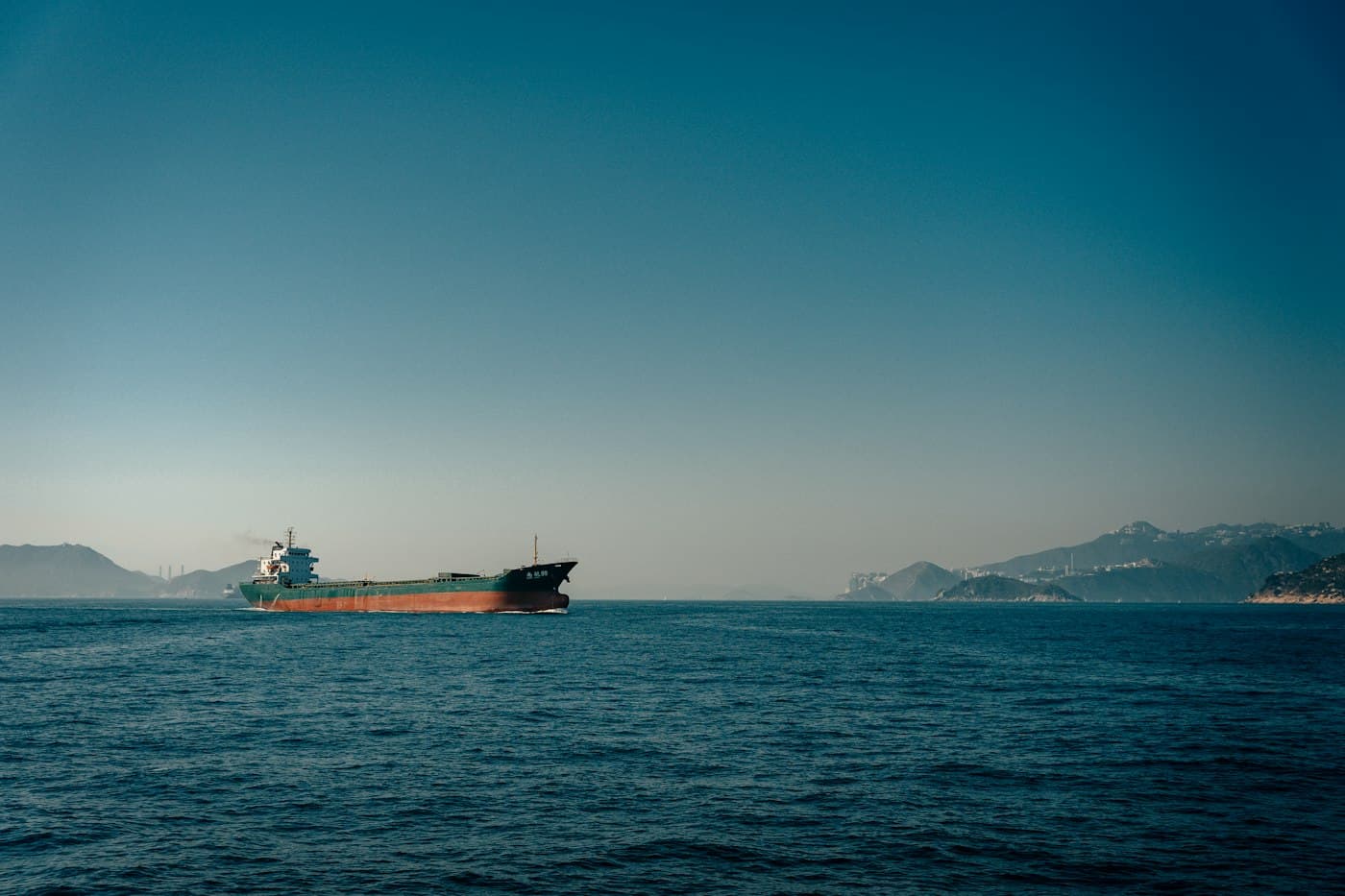
In 72 hours, Ukraine's Unmanned Systems Forces struck 21 Russian-linked vessels in the Sea of Azov and the Kerch Strait. Nineteen were fuel tankers from Russia's shadow fleet. One was a cargo ship. One was a ferry. Multiple ships caught fire. Others were left adrift as crews evacuated. This was not a series of opportunistic hits. It was a coordinated maritime campaign against the supply route to Russian-occupied Crimea.
The shadow fleet exists to fund the war
Russia's shadow fleet is, at its core, an oil sanctions workaround. These are older tankers, typically flagged in obscure registries, bought or chartered through intermediaries designed to obscure Russian ownership. Their job is moving Russian fuel products to buyers who would otherwise face secondary sanctions risk. They earn Russia hard currency.
In the Sea of Azov and the Kerch Strait, that function is more direct: these tankers run fuel into Crimea. The peninsula depends on mainland Russia for fuel, food, and military supplies. The Kerch Strait is the overland gateway via the Crimean Bridge; the Sea of Azov is the maritime one. When Ukraine's drone forces target 19 fuel tankers on this route in 72 hours, they're targeting the supply chain that keeps occupied Crimea operational.
That's not a tactical objective. That's an economic one.
What the strikes look like in practice
Maritime intelligence firms noted that strikes on commercial vessels typically target the bridge and accommodation blocks. Not because they're trying to sink the ship outright, but because that's where crew and navigation control live. A drone that hits the bridge disables propulsion control, puts the crew in immediate danger, and triggers an emergency evacuation.
Fires follow. A fuel tanker burning at sea, with no functioning bridge crew, drifts. Uncontrolled tonnage in a busy strait is a navigation hazard, not just a fire. The reports of vessels adrift and crew evacuations confirm the strikes were effective: the ships couldn't be controlled and simultaneously fought.
This was 21 ships. Seventy-two hours. That's a pace.
Russia cannot replace this quickly
Shadow fleet tankers are not stockpiled. They're old vessels that Western shipping companies sold off because they aged out of modern standards. Russia's ability to source, flag, and crew replacement tonnage is limited by the same sanctions the shadow fleet was built to circumvent. The fleet can be rebuilt, but not fast.
The broader campaign Ukraine announced alongside these maritime strikes includes hits on electrical substations and energy facilities in occupied territories. The logic is consistent: cut the fuel supply to Crimea by sea, cut the power infrastructure by air. It's attrition at the infrastructure layer, not the front line.
The Kerch Strait gives Russia nowhere to reroute
The Kerch Strait is roughly 4 kilometers at its narrowest. It connects the Black Sea to the Sea of Azov and is the maritime gateway to Crimea from the east. The Crimean Bridge spans it. Both the bridge and the shipping lane have been under Ukrainian pressure since 2022.
A concentrated campaign against 21 vessels in 72 hours in this geography is deliberate. Russia cannot reroute the Crimea supply chain through a different route. The Black Sea approach is exposed. The Azov route runs through Kerch. There is no third option. Ukraine knows this. These strikes are sustained pressure on the one maritime chokepoint that cannot be bypassed.
What 21 ships tells you about Ukrainian drone capability
The military logic here is the same as the Omsk refinery strike earlier this month: Ukraine is running a coordinated campaign against the logistics and energy infrastructure that sustains Russian operations, not just the front line. Maritime fuel supply to Crimea. Refineries in Siberia. Shadow fleet tankers in the Azov. The thread connecting them is fuel.
The scale also tells you something about operational tempo. Ukraine's Unmanned Systems Forces are fielding drone campaigns at a pace and coordination level that would have seemed unlikely two years ago. Twenty-one vessels in a 72-hour window, across a confined strait, with multiple confirmed fires and crew evacuations, is not opportunistic. It is doctrine.
These are the same categories of unmanned systems, run by overlapping operators, producing aerial pressure along the EU eastern frontier. The technology is mature. The doctrine is developing fast.
Russia's shadow fleet supplied the war economically. For 72 hours, that supply chain was on fire.
Update - July 13, 2026: 105 vessels in eight days
The campaign did not stop at 72 hours.
By the morning of 13 July, Ukraine's Unmanned Systems Forces had struck approximately 105 Russian shadow fleet vessels since 6 July - one every 112 minutes across eight consecutive days of operations. The 12 July overnight wave hit 14 vessels (10 tankers and 4 ferries) across the Sea of Azov and the Kerch area. The 13 July wave added 15 more: 7 tankers, 5 dry cargo ships, 2 tugboats, 1 ferry. The broadening of the target set from tankers to general cargo and fleet support vessels indicates the Unmanned Systems Forces had worked through the primary fuel-transport targets and moved on to the full logistics support layer.
The operational effect is now measurable. Vessel traffic through the Kerch Strait has been suspended. Transfer facilities on the Crimean side have been struck every night of the campaign. More than 50 Russian ships have reportedly relocated from the Sea of Azov to the Black Sea to avoid further strikes. Cargo unloading at Azov-area ports has been reduced to a minimum.
Relocating to the Black Sea does not remove the threat. Ukraine has demonstrated reach there consistently since 2023. It extends supply lines and increases cost per tonne - while the Azov route, now effectively closed, was the short and cheap one.
The 21-ship figure from the first 72 hours looked significant when it was announced. Eight days later it represents roughly a fifth of the total. What started as a concentrated strike on the Crimea fuel supply has become a sustained campaign against the entire maritime logistics system supporting Russian occupation in the south.
Update - July 15–18, 2026: 172 vessels in 13 days, campaign expands to the Black Sea
The campaign did not stay in the Azov.
After 50-plus vessels relocated from the Sea of Azov to the Black Sea to escape further strikes - as reported on 13 July - Ukraine's Unmanned Systems Forces followed them there. The operation, named "MoLoChKa" by Unmanned Systems Forces Commander Robert "Magyar" Brovdi, ran continuously from 6 to at least 18 July. The name is an acronym: MOskva Lyazhe Cherez Krym - "Moscow will fall through Crimea."
On the night of 14–15 July, Ukrainian drones struck 20 more vessels in the Black Sea: 17 oil tankers, two gas tankers, and one tugboat. On 15–16 July a further 11 vessels were hit - 10 in the Black Sea, one in the Sea of Azov - including five oil tankers, one LNG tanker, three bulk carriers, and two tugboats. On 16–17 July, 12 more vessels were struck in the Black Sea: nine dry cargo ships, one oil tanker, one gas carrier, one tugboat. On the night of 17–18 July, 13 more were struck across both seas: eight dry cargo ships, one oil tanker, one gas tanker, one tugboat, and two floating cranes.
By 18 July, Brovdi confirmed the 13-day total at 172 vessels struck - 118 in the Sea of Azov and 54 in the Black Sea. The target set had broadened well beyond fuel tankers to dry bulk carriers, floating cranes, and general fleet support vessels, indicating the Unmanned Systems Forces had worked through the primary Crimea fuel-transport targets and moved on to the full maritime logistics layer.
Relocating to the Black Sea removed none of the risk. Ukraine has sustained reach there since 2023, the route is longer and more expensive per tonne than the Azov route was, and the Azov route itself remains effectively closed. Russia's shadow fleet has no third option.
Sources
- Kyiv Post - Ukraine Strikes 21 Ships in 72 Hours (9 Jul 2026)
- Seatrade Maritime - Ukraine Hits 21 Russian Ships Within 72 Hours (9 Jul 2026)
- Kyiv Independent - Ukraine says it eliminated 14 more Russian shadow fleet vessels overnight (12 Jul 2026)
- Ukrainska Pravda - Ukraine hits 15 shadow fleet vessels overnight and 105 in eight days (13 Jul 2026)
- UNITED24 Media - Russia Is Losing the Sea of Azov as Ukraine Hits 105 Shadow Fleet Vessels in 8 Days (13 Jul 2026)
- UNITED24 Media - After Fleeing the Sea of Azov, Over 50 Russian Ships Are Hiding Out in the Black Sea (13 Jul 2026)
- Ukrainska Pravda - Ukraine hits 20 Russian shadow fleet vessels in Black Sea overnight (15 Jul 2026)
- Ukrainska Pravda - Ukrainian drones strike 11 more shadow fleet vessels (16 Jul 2026)
- Kyiv Independent - Ukrainian drones strike 12 shadow fleet vessels in Black Sea (17 Jul 2026)
- Kyiv Post - Ukraine's Unmanned Systems Forces strike 13 more shadow fleet vessels, total reaches 172 (18 Jul 2026)
Last updated: