
Palanca drone crossing, Moldova, 26 Aug 2026
A drone crossed into Moldova near Palanca on August 26, 2026; five more crossed the same border overnight into Moldova's Independence Day, its Defence Ministry said.
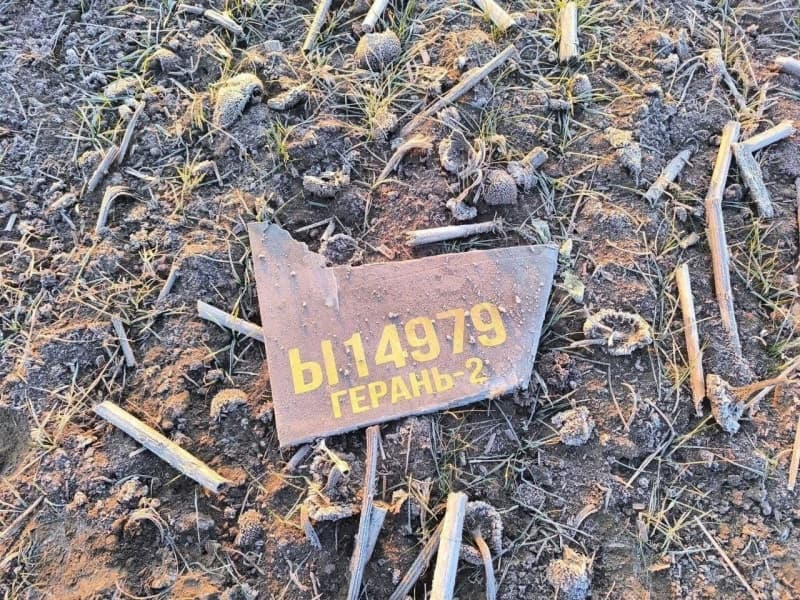
A drone crossed into Moldovan airspace near Palanca, Ștefan Vodă District, at 17:38 local time (14:38 UTC) on August 26, 2026, then exited back into Ukraine near Tudora, close to Hradenytsi in the Odesa region, five minutes later at 17:43 local time (14:43 UTC), Moldova's Ministry of Defence said. The crossing came during a Russian aerial strike wave against Ukraine that day; no debris, damage, or injuries were reported on Moldovan territory.
Palanca and Tudora have carried a drone across before
The National Army's Air Operations Service detected the aircraft entering at Palanca and tracked it out again toward Tudora and Hradenytsi, per its statement carried by Realitatea.md. This is not the first recorded crossing at this border point: MoldPres reported a Shahed-type drone flying over Moldovan airspace at the same Palanca crossing point on March 18, 2026, sighted twice by border guards overnight before it was destroyed after leaving Moldovan territory. Wednesday's crossing left no wreckage and no reported detonation - a transit, not a crash.
Three confirmed violations along this border in less than a week
Moldova logged a separate airspace violation two days earlier, on 24 August, when a drone crossed from Vynohradivka in Odesa region toward Vulcănești in Gagauzia and exited near Pașcani in Cahul district heading toward Romania - a longer transit through a different stretch of the border, according to Interfax-Ukraine. Russian drone strikes had already damaged infrastructure at the Tabaky border crossing on the night of 21 August and at the Vynohradivka-Vulcănești crossing on the night of 25 August, per the same outlet.
AirVeto's reconstruction of the Kopanka crash in July shows the more severe outcome this pattern of crossings can produce: a drone that came down and exploded on Moldovan soil, rather than transiting through.
A brief, undetonated transit like this one adds little on its own, but it is the third confirmed Moldovan airspace violation in five days along a border that has now produced both quick pass-throughs and a fatal-risk crash within the same two months. This reconstruction is based on reporting by LRT, Ukrinform, Realitatea.md, and Interfax-Ukraine; full methodology is on the AirVeto methodology page. A full archive of drone and airspace incidents across the EU's eastern border is at the incident archive.
Update, August 27, 2026: five more crossings the following night, hours before Independence Day
Moldova's Ministry of Defence recorded five separate unauthorised drone flights through national airspace overnight between 26 and 27 August, all along the same Ștefan Vodă district stretch of border, per Realitatea.md and AeroTime:
- The first crossed at Palanca itself, entering and exiting within a minute (03:56-03:57 local time).
- A second crossed near Căplani and was lost from tracking near Carahasani (03:59-04:10).
- A third ranged further inland through Crocmaz, Olănești, Purcari, and Rășcăeți before disappearing from radar near Pervomaisk in the Transnistrian sector (04:09-04:24).
- A fourth briefly re-entered Ukraine near Maiaki close to Palanca (04:16).
- A fifth crossed at Săiți toward Lesnoie on the Ukrainian side (05:50-06:02).
Moldova's Defence Ministry reported no shootdowns and no confirmed wreckage from any of the five.
Separately, police in the General Police Inspectorate found the damaged body of an unmanned aircraft near the Chișinău-Basarabeasca road on the morning of 27 August; no explosives were found at the scene, and no outlet has confirmed whether it is connected to the night's five crossings, per NewsMaker.
The overnight crossings came hours before Moldova marked 35 years of independence with a Chișinău parade that proceeded as planned, attended by Ukrainian President Volodymyr Zelensky and Romanian President Nicușor Dan among other foreign guests, per the same outlet.
Five crossings in one night, on top of the three separate violations already logged in the five days before it, makes this the busiest stretch yet for this particular border segment - still without a single confirmed shootdown, crash, or casualty on Moldovan soil across all of it.
Sources
- LRT - Dronas vėl pažeidė Moldovos oro erdvę (26 Aug 2026)
- Ukrinform - Drone violates Moldova's airspace again (26 Aug 2026)
- Realitatea.md - O nouă dronă a survolat spațiul aerian al Republicii Moldova (26 Aug 2026)
- Interfax-Ukraine - Drone breaches Moldovan airspace toward Romania (24 Aug 2026)
- MoldPres - Shahed drone flew over airspace of the Republic of Moldova near the Palanca border crossing point (18 Mar 2026)
- AeroTime - Five drones cross Moldova before Independence Day parade (27 Aug 2026)
- Realitatea.md - Cinci drone au survolat, în noaptea de 27 august, spațiul aerian al Republicii Moldova (27 Aug 2026)
- NewsMaker - Cinci drone au survolat neautorizat Moldova. Un obiect zburător, depistat lângă traseul Chișinău-Basarabeasca (27 Aug 2026)
- Methodology
Last updated: