
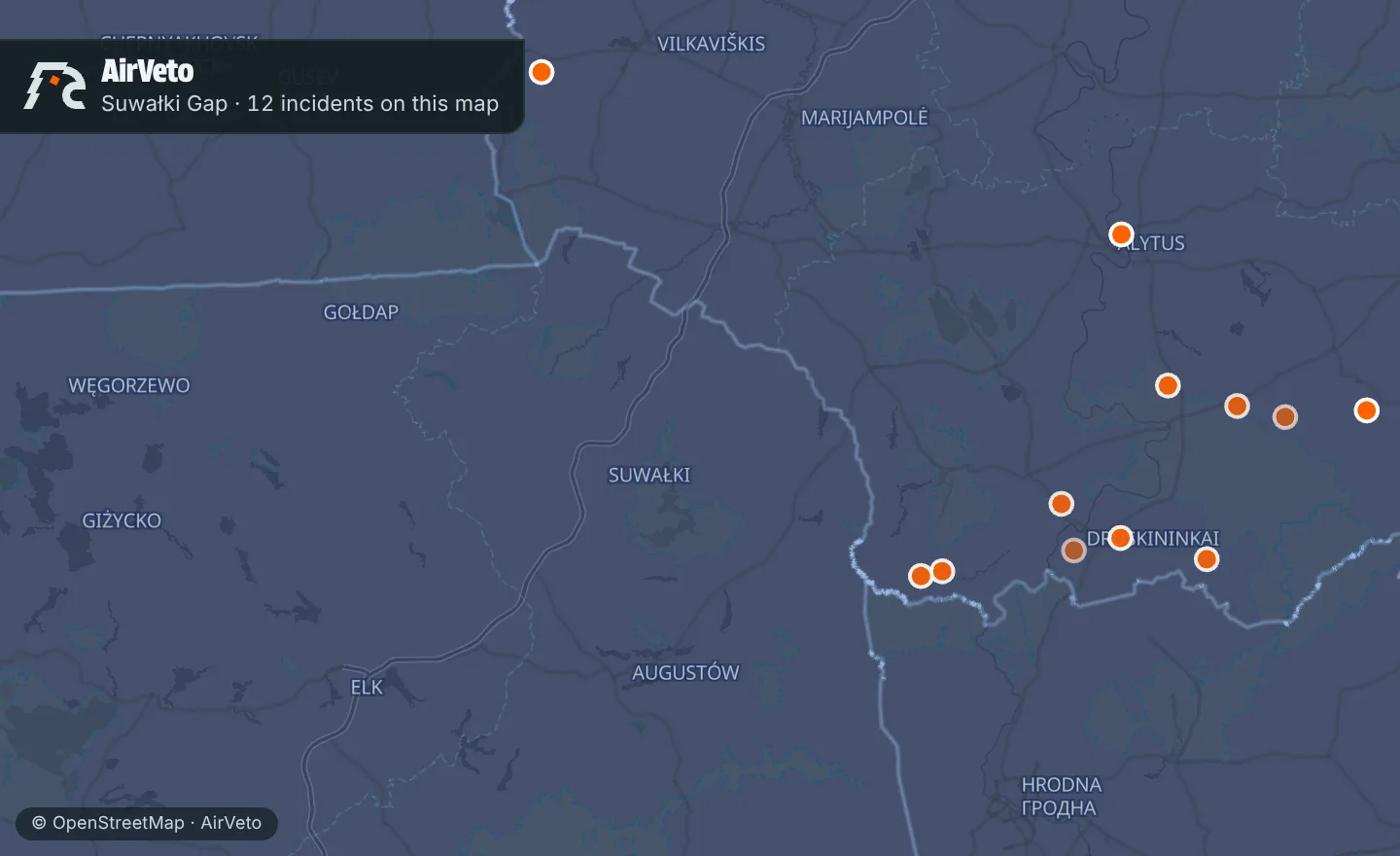
Incidents at this location
- 🇱🇹 · Aug 4, 2026 · Latežeris village
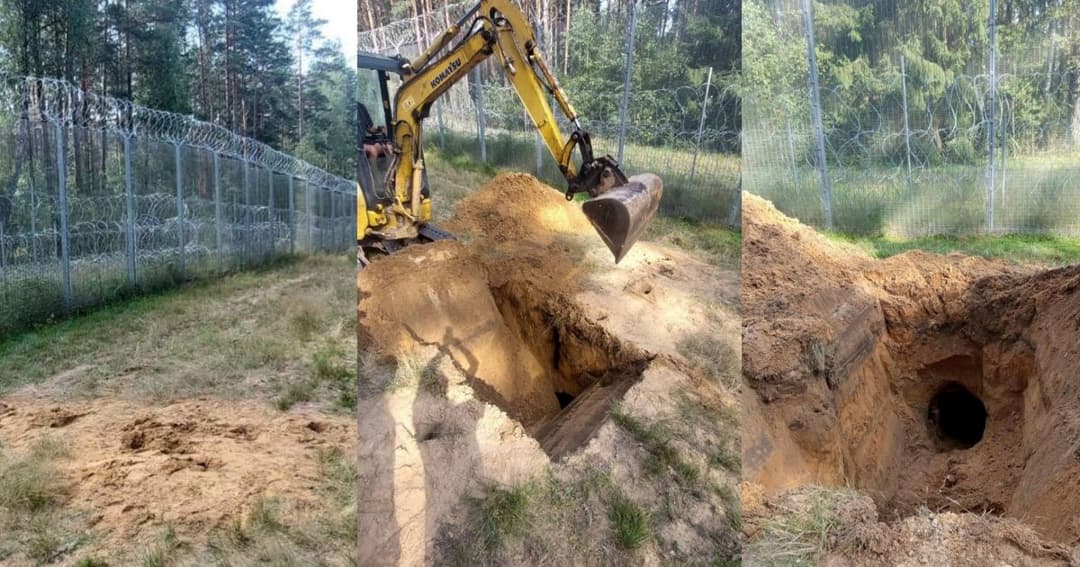
Latežeris tunnel, August 4, 2026
VSAT's Kabeliai Border Post, with Polish tunnel-detection specialists, found a 4-meter unfinished tunnel near Latežeris, Druskininkai municipality - the third Varėna-district tunnel in weeks. - 🇱🇹 · Jul 30, 2026 · Kuodžiai village
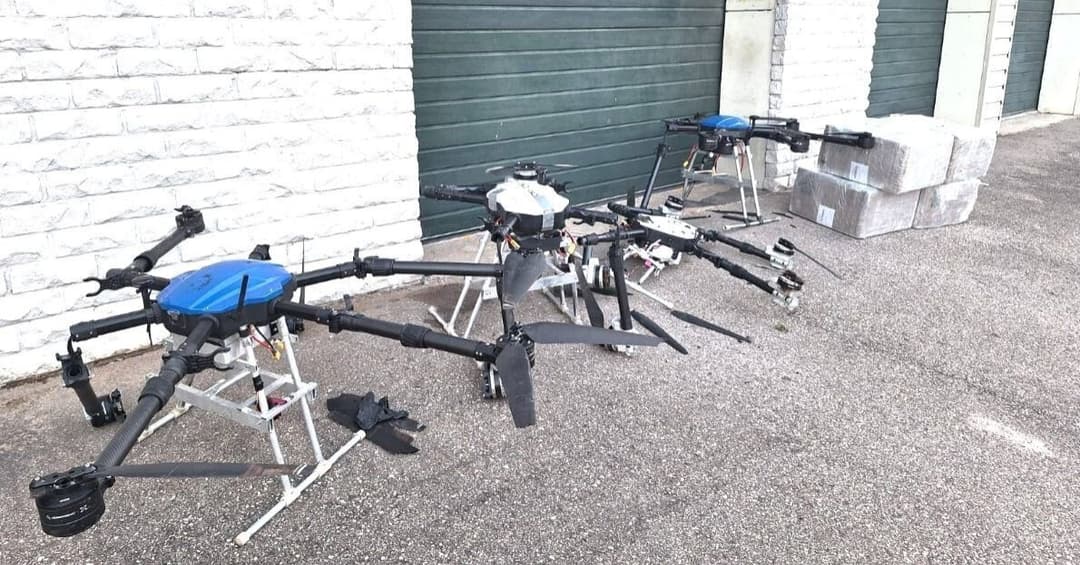
Kuodžiai four-drone intercept, July 30, 2026
VSAT Kapčiamiestis Border Post downed four contraband drones near Kuodžiai village, Lazdijai district, in under 30 minutes on July 30, 2026. Cargo: 4,000 packs of cigarettes, €21,840. - 🇱🇹 · Jul 26, 2026 · Pertakas village
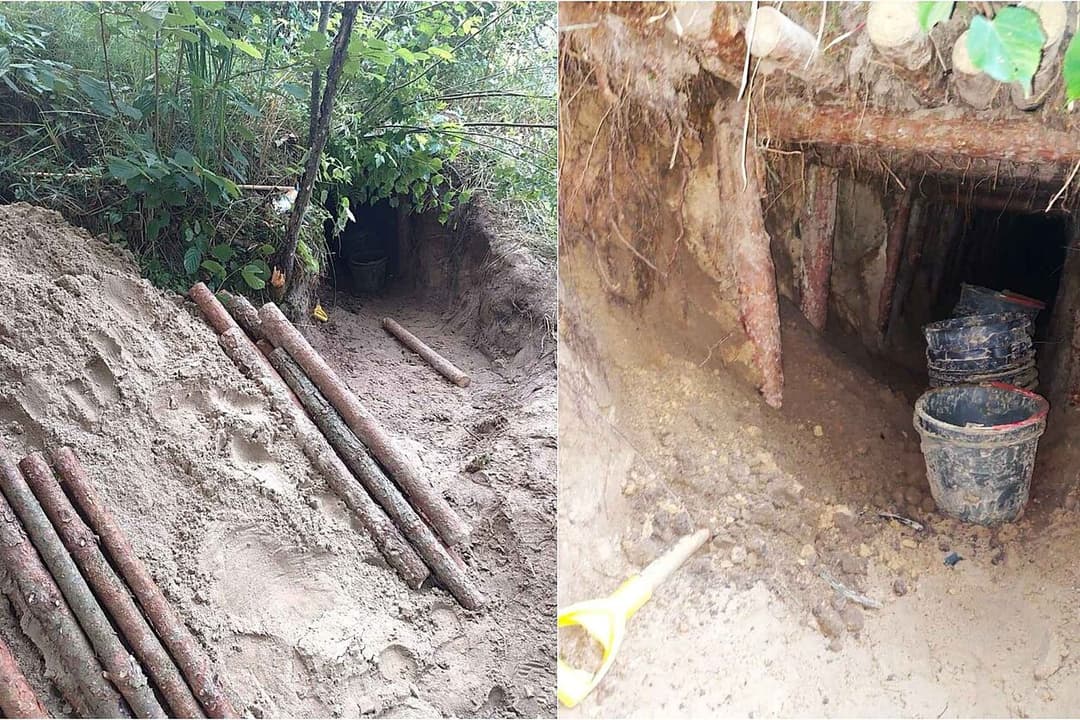
Pertakas tunnel, July 26, 2026 - intercepted before exit reached
VSAT found an 11m unfinished tunnel near Pertakas on July 26, 2026 and withheld an officer confrontation, a cover-up that led chief Rustamas Liubajevas to resign on 17 August. - 🇱🇹 · Jul 7, 2026 · Druskininkai
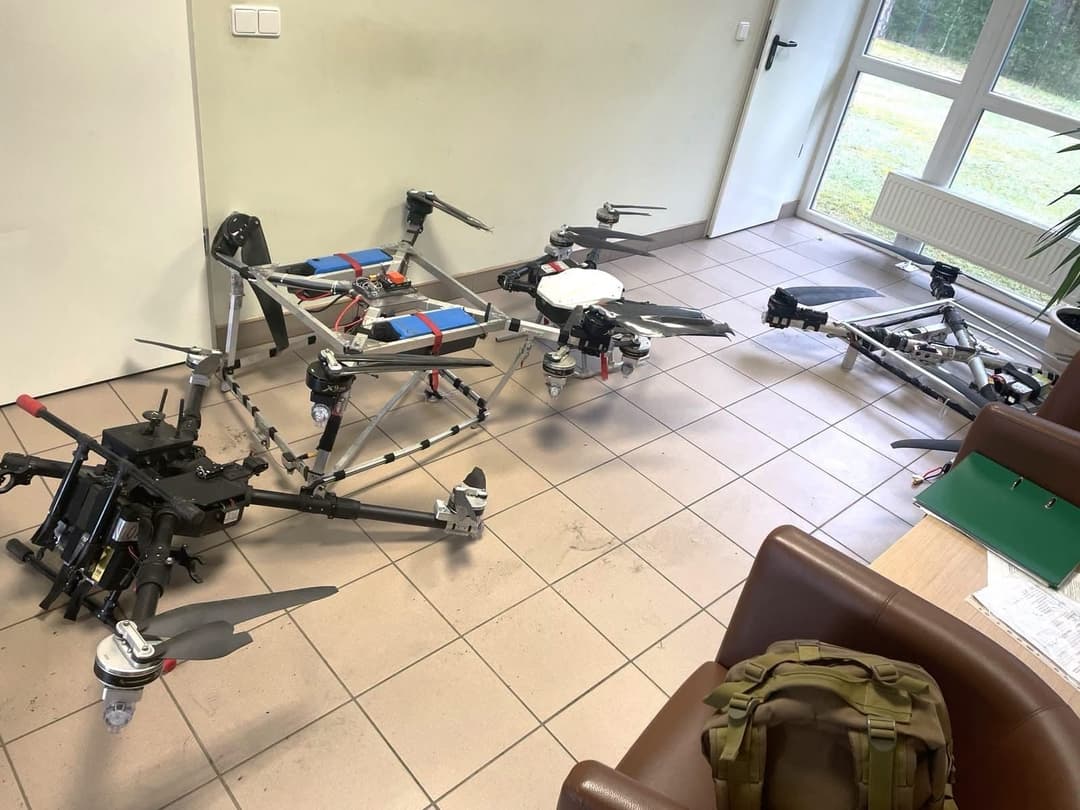
Four contraband drones intercepted at Druskininkai in one night
Lithuanian border guards landing four smuggling drones at once carrying 5,000+ packs of Belarusian cigarettes - the largest simultaneous drone interception in VSAT operational history. - 🇱🇹 · Feb 6, 2026 · Druskininkai
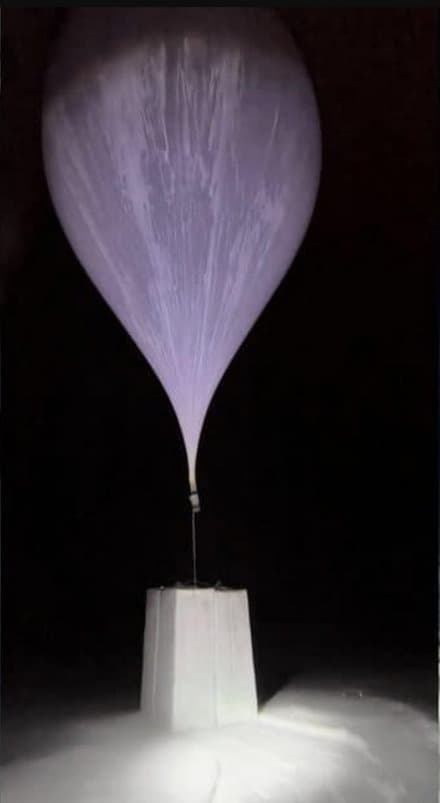
Record seven balloon shipments intercepted in southern Lithuania
Lithuanian border guards intercepted seven balloon-borne cigarette shipments in Varėna, Lazdijai and Druskininkai on February 6, 2026, the most in one day that year.
Related reading
- 2026-06-15
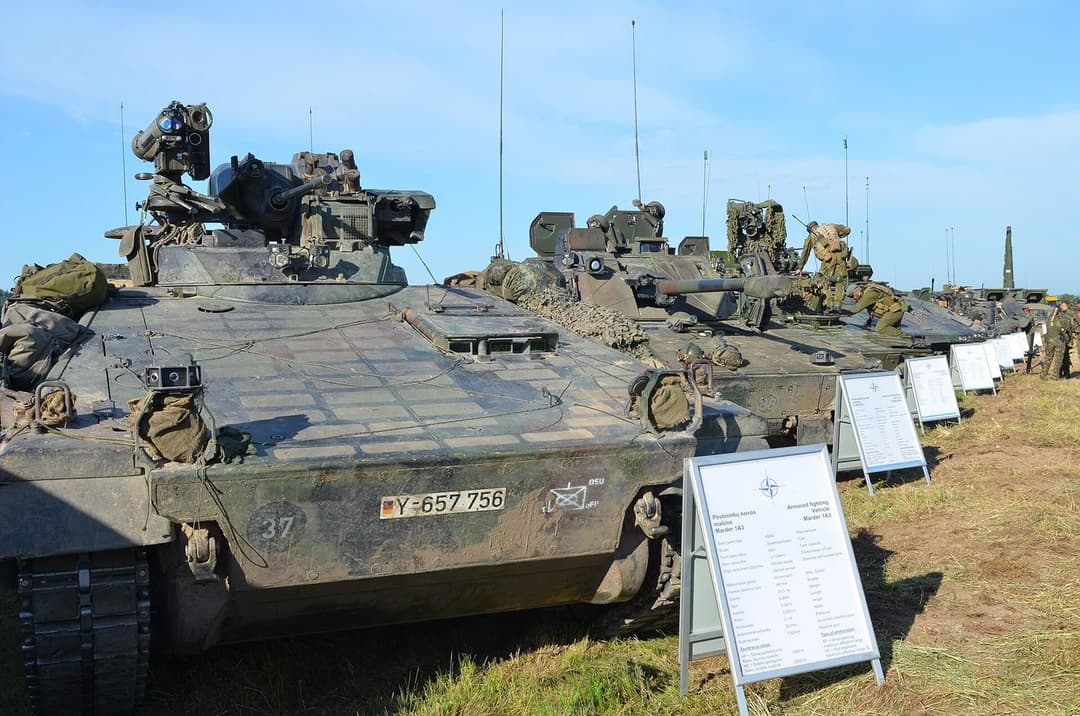
Gallant Boar 2026: NATO Exercises the Suwałki Gap This Week
Lithuania, Poland, and France run joint drills in the Suwałki Gap June 16–26. What the exercise covers, why the gap still defines Baltic defence planning, and what the wind looks like over it this week. - 2026-04-18

Reading the Suwałki Gap
The Suwałki Gap is 65 km wide, flanked by Belarus and Kaliningrad. What its wind field looks like and which altitude layer predicts most incidents. - 2026-06-11
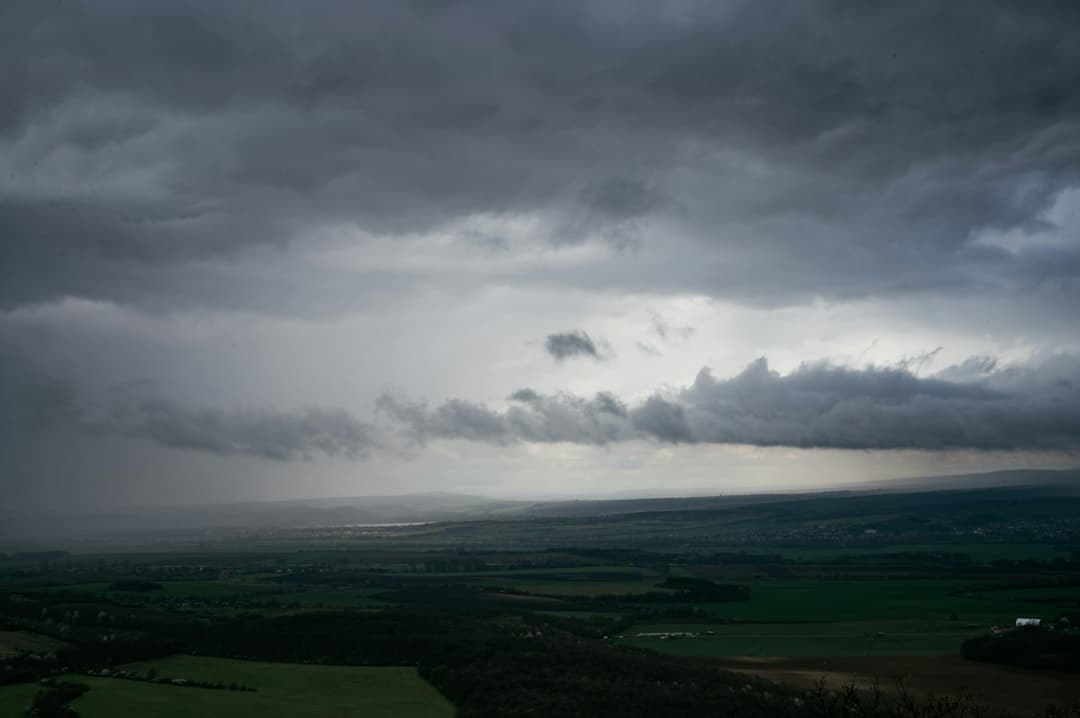
Squall Over the Suwałki Gap: What 25 m/s Winds Mean
Lithuania's hydrometeorological service issued an orange warning for Vilnius, Utena, and Panevėžys counties on June 11, 2026. Wind gusts of 25 m/s are sweeping the exact border zones AirVeto monitors. - 2026-06-27
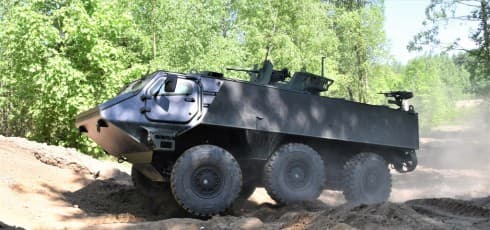
Lithuania Orders 936 Patria 6x6 Vehicles. KOVO Armor Builds Them.
Lithuania's State Defence Council announced procurement of 936 Patria 6x6s in May 2026. The MoU with KOVO Armor puts local production on the table. - 2026-07-14
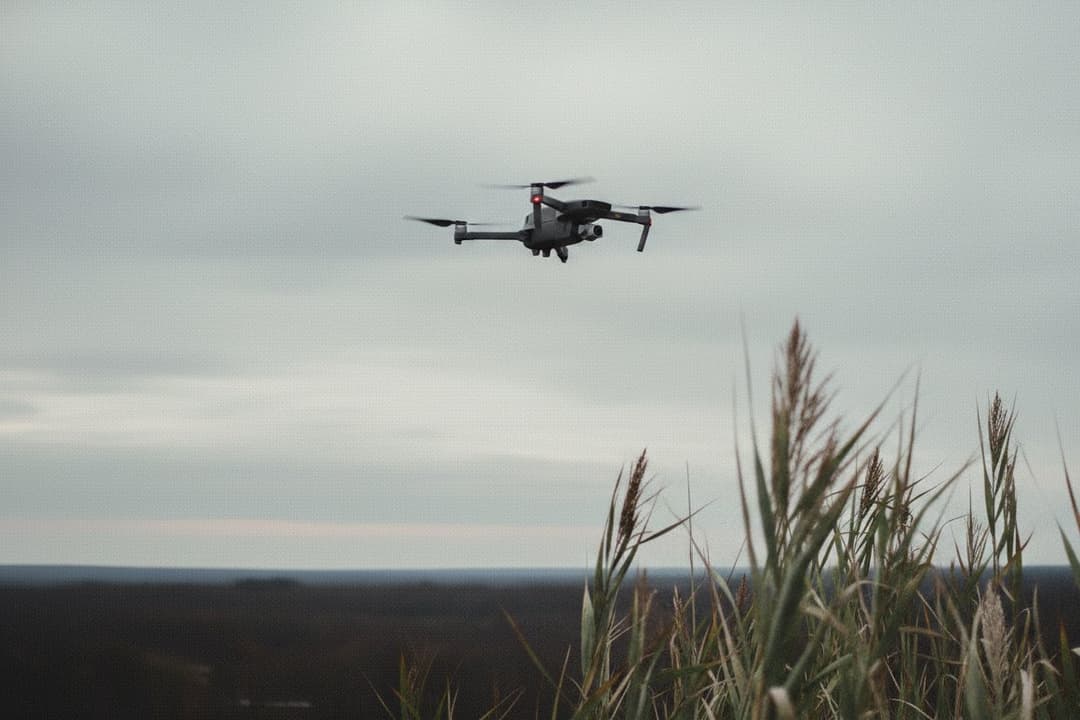
Dragoon Fury 26: Counter-Drone Drills at Kazlų Rūda
Lithuania's Dragoon Battalion began Dragoon Fury 26 at Kazlų Rūda on July 13, 2026, drilling counter-drone defence as Russian drones keep crossing its airspace. - 2026-07-16

Lithuania Gets SENTINEL Radars From Latvia for NASAMS
Latvia is transferring SENTINEL air-defence radars to Lithuania at US suggestion, extending the Baltic NASAMS network at no cost to Vilnius. - 2026-08-12

Lithuania's Border Fortification Deadline Slips to 2028 as the Plan Nearly Doubles
Lithuania's government approved a revised counter-mobility plan August 12, 2026: the deadline moves to December 2028 as the network grows from 27 to 50 sites. - 2026-08-30

Gordon Bennett Balloons Cross Lithuania's Suwałki Gap
Gordon Bennett Cup teams are airborne over Lithuania this week, near the gap where Belarus shot down a competing balloon in 1995.
Methodology: see /about/methodology. AirVeto is situational awareness and decision support, used alongside official systems. It does not replace them.