
Estonia's defence minister resigns over failed €70m shell deal
Estonia committed roughly €70 million to an untested Italian-Indian supplier for Ukraine-bound shells; the rounds that arrived were faulty and Pevkur resigned.
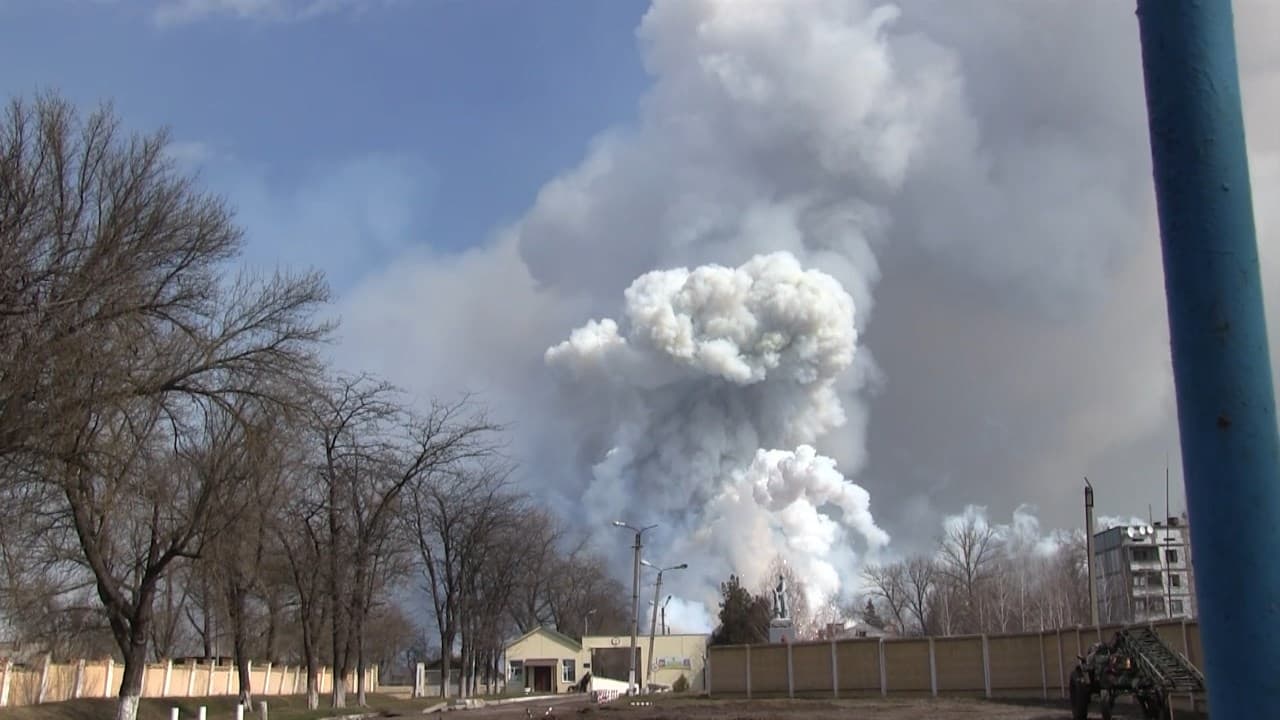
The Kyiv Independent and Euronews reported that Estonian Defence Minister Hanno Pevkur resigned on September 2, 2026 after the country's National Audit Office found that its Centre for Defence Investments (ECDI) had committed close to €70 million in EU-backed funds to a supplier with no prior record of producing artillery ammunition. A criminal investigation into the procurement has also opened.
The buyer signed four contracts with a company that had never sold a shell
ECDI signed the first of four contracts in August 2024 with Datasel S.R.L., an Italian-registered firm owned by the Indian company Neco Defence Munitions, Moneylife reported. Neco had acquired Datasel to build an international defence supply arm, but neither company had a documented history of manufacturing or supplying artillery ammunition at the time the contracts were signed. The deal used money from the EU's European Peace Facility, the mechanism the bloc uses to fund military aid to Ukraine.
Warning signs did not stop further payments
ECDI transferred an advance of roughly €15 million on the first contract, per Moneylife; the first projectiles were due in Ukraine by November 2024. That delivery did not arrive on schedule, and Datasel reported ongoing production difficulties. ECDI signed three more contracts and kept releasing advance payments anyway, eventually committing close to €70 million before a single verified, compliant batch had been delivered.
The shells that did arrive were rejected
The Kyiv Independent reported that a shipment inspected in 2025 was found faulty, and none of it was sent to Ukraine. Estonia has since terminated the contracts and is disputing them before the European Court of Arbitration in Strasbourg. Datasel is countersuing, arguing it delivered munitions worth about €59 million and would have met the rest of its obligations had Estonia not ended the agreement, per Moneylife.
The political cost landed on the minister who ran the deal through
Pevkur's resignation followed the National Audit Office's findings directly; he said he was accepting political responsibility for the failure. The money was meant to arm Ukraine. Instead, Estonia's own munitions procurement has become the story: a fraud investigation at home and an international arbitration case abroad, with nothing usable delivered on either side.
The dispute is unresolved. Estonia wants its money back or the ammunition it paid for; Datasel says it already delivered most of the contract value. Neither claim has been settled by the arbitration panel.
Sources
- Kyiv Independent - Estonia's Defense Minister resigns after wasting 70 million euros on faulty ammunition for Ukraine (3 Sep 2026)
- Euronews - Estonian defence minister resigns in €70m EU-funded procurement scandal for Ukraine (3 Sep 2026)
- LIGA.net - Estonia sues over €70 million for defective shells for Ukraine
- Moneylife - Estonian Defence Minister Resigns Over Failed €70 Million Artillery Shell Deal Involving Indian-Owned Company