
Romanian F-16 downs drone near Sfântu Gheorghe, July 25, 2026
Romanian F-16 shot down a Shahed-type drone 10 km west of Sfântu Gheorghe in the Danube Delta at 05:30 UTC on July 25, 2026 - Romania's second drone intercept in less than 24 hours.
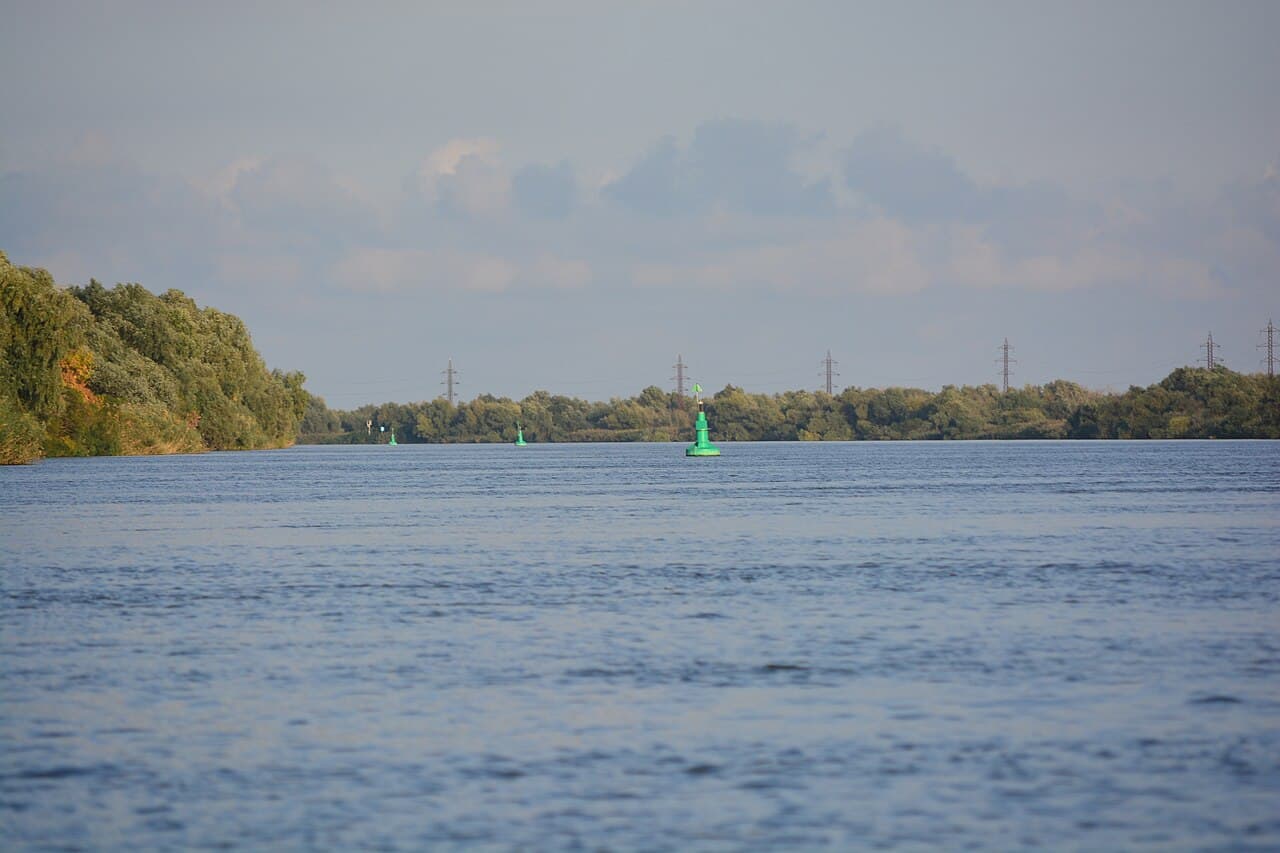
At 08:30 EEST (05:30 UTC) on Saturday, July 25, 2026, a Romanian Air Force F-16 shot down a drone that had entered Romanian airspace above the Danube Delta approximately 10 km west of Sfântu Gheorghe, Tulcea county. According to Defence Minister Radu Miruță, the Ministry of National Defence's radar network detected the target the moment it crossed into Romanian territory at 08:18 EEST (05:18 UTC) and the pilot engaged it twelve minutes later in an uninhabited area near the Ukrainian border. The Romanian Prosecutor General's Office confirmed the drone was of the Shahed type used by Russian forces. No one was injured.
This was Romania's second drone intercept in less than 24 hours. On Friday, 24 July, a Romanian F-16 had downed a Shahed-type drone near Padina, Buzău county in the first documented Romanian intercept over its own territory.
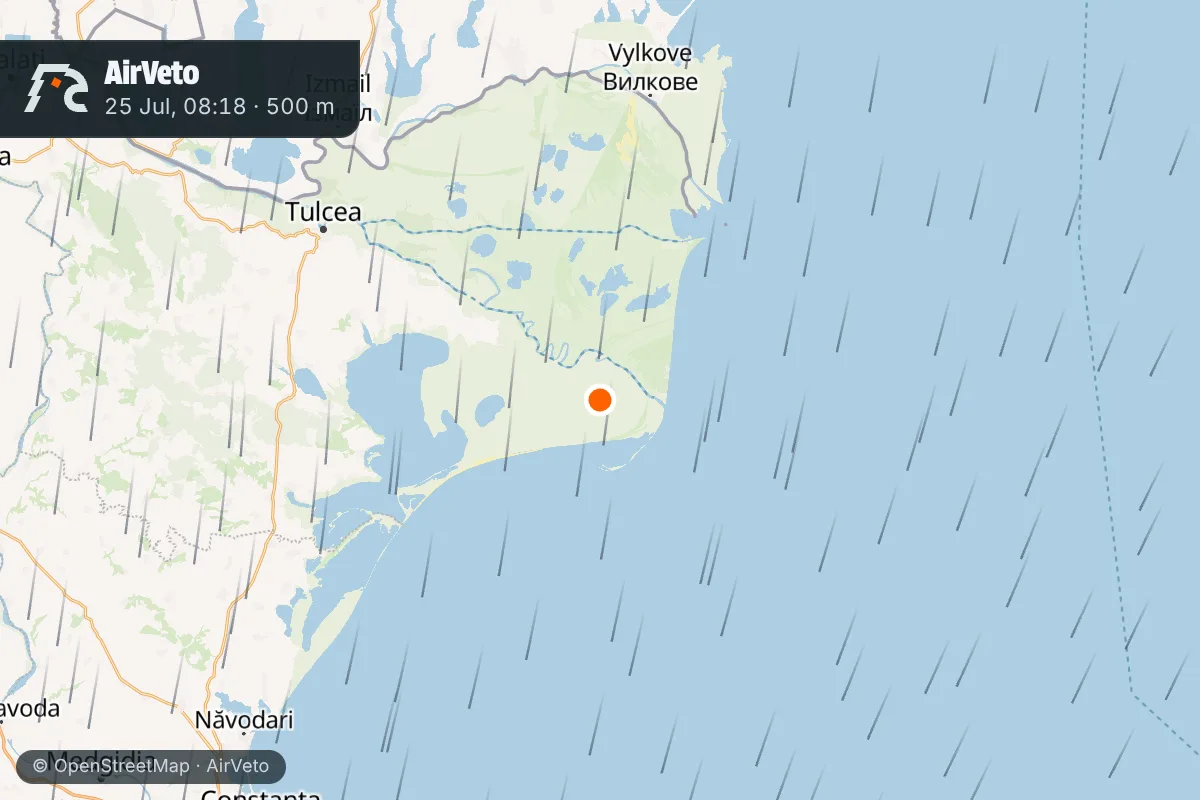
Romania's radar tracked and intercepted the drone within 12 minutes of border crossing
The drone entered Romanian airspace from the direction of Ukraine's Odesa coastal zone at 08:18 EEST (05:18 UTC). The Ministry of National Defence's radar network detected the intrusion immediately; two Romanian F-16s were scrambled. At 08:30 EEST (05:30 UTC), twelve minutes after the target crossed the border, a Romanian pilot brought it down in an unpopulated area close to the frontier. Italian Air Force Eurofighter Typhoons operating from Mihail Kogălniceanu air base in Constanța under the NATO Enhanced Air Policing mission were also scrambled; the Romanian F-16 made the intercept.
The 25 July intercept was considerably faster and closer to the border than the previous day's. On 24 July, the drone ultimately shot down near Padina had entered east of Sulina and travelled approximately 200 km over Romanian territory before jets could engage it, covering that distance in roughly 80 minutes. On 25 July the same outcome was reached in 12 minutes and 10 km. Defence Minister Miruță stated after the intercept that the pattern was "consistent with previous confirmed flights by Russian drones."
The Prosecutor General's Office confirmed Shahed type and Russian origin
Romania's Prosecutor General's Office, which had begun forensic examination of fragments from both drone incidents, confirmed that the 25 July drone was of the Shahed type used by Russian forces. The finding matched the result from the 24 July examination. President Nicușor Dan confirmed the intercept publicly on Saturday morning, the second such confirmation in two days.
A third Romanian drone intercept followed on Sunday, 26 July, with a Shahed-136 brought down by an F-16 in the Sulina-Chilia area of Romania's Black Sea territorial waters. Following that third intercept, Romania summoned the Russian ambassador to the Foreign Affairs Ministry.
Romania's July shoot-downs mark a shift from the tolerance shown before the Galați strike
Before July 2026, Romania's Air Force had scrambled repeatedly in response to drone intrusions without destroying any intruder over Romanian territory. The failure to intercept a drone before it could reach a populated area had its worst outcome on May 29, 2026, when a Russian Geran-2 struck a 10-storey apartment building on Bulevardul Brăilei in Galați, injuring two residents in the first Russian drone strike to injure anyone on NATO territory. Romania's Ministry of National Defence recorded that event as the 28th documented Romanian airspace breach since Russia began targeting Ukraine's Danube port infrastructure with Geran-2 drones.
Since 2022, Russian drones have breached Romanian airspace around 30 times, according to Romanian government statements during the July 2026 intercept sequence. The 24 and 25 July shoot-downs are the first two times Romanian forces destroyed an intruder before it could reach a populated area. An earlier intrusion that used the same Danube Delta entry point happened on February 25, 2026, when a Geran-type drone entered near Sfântu Gheorghe, Tulcea, crossed northern Tulcea County, and exited over Black Sea waters near Sulina without being intercepted.
This reconstruction draws on reporting by Euronews, NBC News, The Defense Post, Ukrainska Pravda, and Al Jazeera, and on AirVeto's wind-model data for the 05:18-05:30 UTC window on July 25, 2026. The wind layer shows atmospheric conditions over the Danube Delta and Sfântu Gheorghe coastal zone for the intercept window. Methodology: methodology page. Full incident archive: incident archive.
Related location
- Romania - Romania, a NATO member since 2004, shares a Danube-river border with Ukraine at the Black Sea delta and has repeatedly recorded drone debris, intercepts, and naval-drone incidents along that frontier and its Black Sea coast since September 2025.
Sources
- Euronews - Second drone shot down over Romanian airspace in less than 24 hours (July 25, 2026)
- NBC News - Romania says it shot down a second drone breaching its airspace (July 25, 2026)
- The Defense Post - Romania Shoots Down Second Drone in Two Days (July 25, 2026)
- Ukrainska Pravda - Romania's Defence Ministry reveals details of latest drone downing (July 25, 2026)
- Al Jazeera - Romania summons Russian envoy as it shoots down third intruding drone (July 26, 2026)
- Methodology