
Finland shares a 1,340-kilometer land border with Russia - the longest shared frontier between any EU member state and Russia. Following its NATO accession in April 2023, it became the Alliance member with the greatest land exposure to Russian territory. The southern coast faces Russia across the Gulf of Finland, a maritime corridor roughly 80 kilometers wide at its narrowest, which Ukrainian long-range strike drones have crossed under Russian electronic-warfare deflection since early 2026.
Between 29 March and 15 May 2026, four separate drone incidents occurred in Finnish territory - the densest documented cluster of EW-diverted drone finds in any single NATO member state within that period. Two Ukrainian Chaika decoys came down near Kouvola on 29 March: one at Oravala on the Savistontie road, one near Luumäki in South Karelia. A third drone, carrying an unexploded warhead, crashed on frozen Lake Pyhäjärvi near Parikkala on 31 March - 2 km from the Russian frontier. A fourth crashed in Perheniemi forest, Iitti municipality, on 11 April. A fifth event, on 15 May, closed Helsinki-Vantaa Airport for three hours after a drone was detected in the approach zone; no confirmed crossing of Finnish airspace was established for that closure.
Finland's National Bureau of Investigation confirmed in April 2026 that the March drone finds were Chaika decoys - not the AN-196 Liutyi long-range attack drone initially suspected. The Chaika is a low-cost Ukrainian radar-saturation platform with a 2.5 m wingspan, designed to fly ahead of strike packages and force Russian air-defence systems to expend genuine interceptors on cheap targets. Its onboard navigation relies on GNSS. When Russian EW systems transmit jamming or spoofed GPS signals over the Gulf of Finland - a standing capability documented along the Leningrad coastline - the Chaika's autopilot loses its positional reference and the drone leaves its programmed route. Finnish PM Petteri Orpo stated publicly after the Kouvola finds that Russia's 'extremely strong electronic jamming capabilities' could explain the crossings.
The crash sites concentrated in Kymenlaakso and South Karelia - the band of Finnish territory between the Gulf of Finland coast and the Russian frontier. A drone losing GNSS lock over the Gulf, deflected north or northwest by an EW-induced course correction, intersects this band after crossing 50 to 150 km of Finnish airspace. The Parikkala site, 2 km from the Russian border, indicates some drones deviated late in their flight rather than over open water. Iitti and the Kouvola area lie 30 to 50 km further inland, representing a northward drift once the drone's heading was corrupted.
AirVeto's wind reconstruction covers the 900 hPa pressure level - approximately 1,000 m, where Chaika-class drones cruise - over southeastern Finland and the Gulf corridor during each event window. For drones that lose guidance mid-flight, the 900 hPa wind field shows the air mass they drifted in and helps frame the uncontrolled final leg. The boundary between guided flight and drift is not always recoverable from public reporting alone; the wind context places each incident in the atmospheric frame that was active at the time.
Finland's NBI opened two parallel criminal investigations for each find: one for violation of Finnish territorial integrity, one for the presence of explosive ordnance on Finnish soil. All recovered material was shared with Ukrainian intelligence services under a protocol established after the first Kouvola find. The pattern - five incidents across 47 days - placed Finland at the centre of the EW-diverted drone problem on the northern flank, and generated the largest accumulation of parallel NBI investigations from a single conflict mechanism in the shortest time of any Baltic state.
Incidents at this location
- 🇫🇮 · Mar 29, 2026 · Oravala
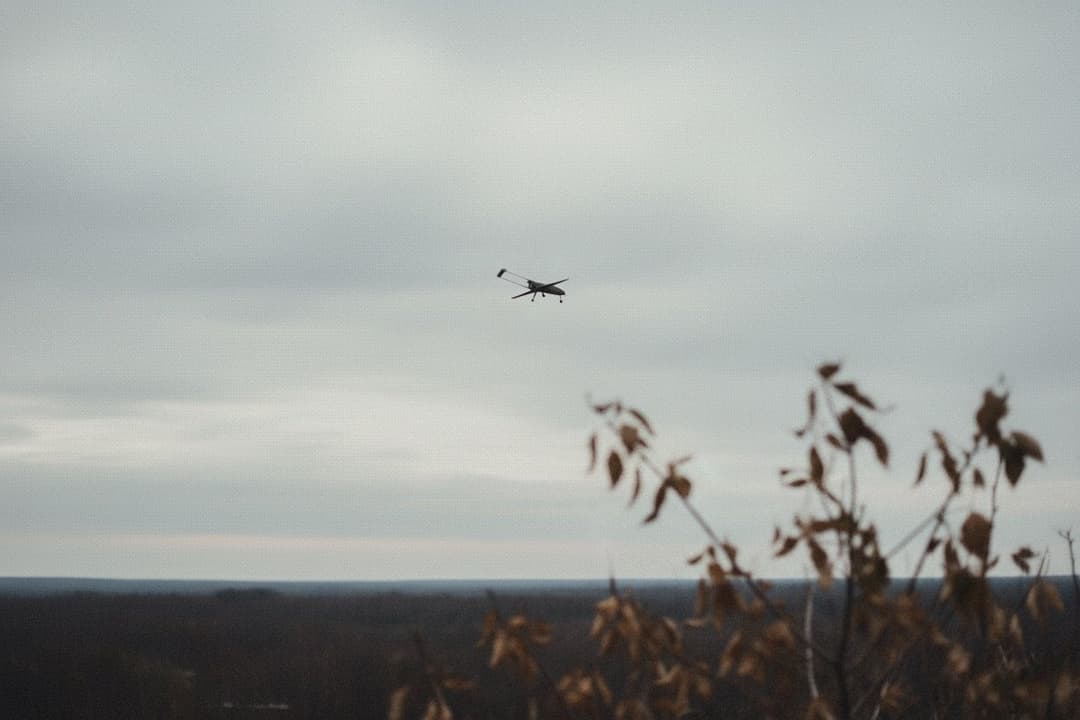
Ukrainian drones crash near Kouvola, Finland after EW jamming
Two Ukrainian drones crashed in southeastern Finland on March 29, 2026 after Russian EW jamming diverted them from a Ukrainian strike on Ust-Luga oil terminal. - 🇫🇮 · Mar 31, 2026 · Lake Pyhäjärvi
Ukrainian Chaika crashes into Finnish lake near Russia
A Ukrainian Chaika drone with an unexploded warhead crashed on frozen Lake Pyhäjärvi near Parikkala, Finland, on March 31, 2026, 2 km from the Russian border. - 🇫🇮 · Apr 11, 2026 · Perheniemi
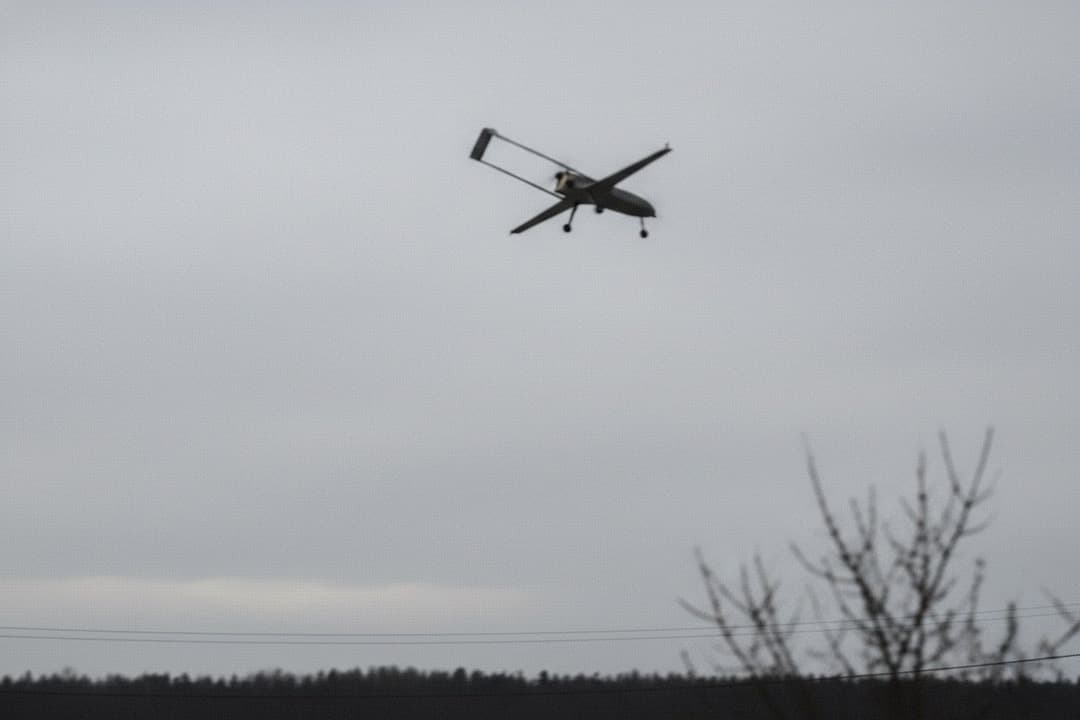
Ukrainian drone warhead detonates near Iitti, Finland
A Ukrainian drone with an unexploded warhead crashed in Perheniemi, Iitti, Finland on April 11, 2026; EOD detonated it around 20:00 EEST. NBI opened two probes. - 🇫🇮 · May 15, 2026 · Helsinki-Vantaa International Airport
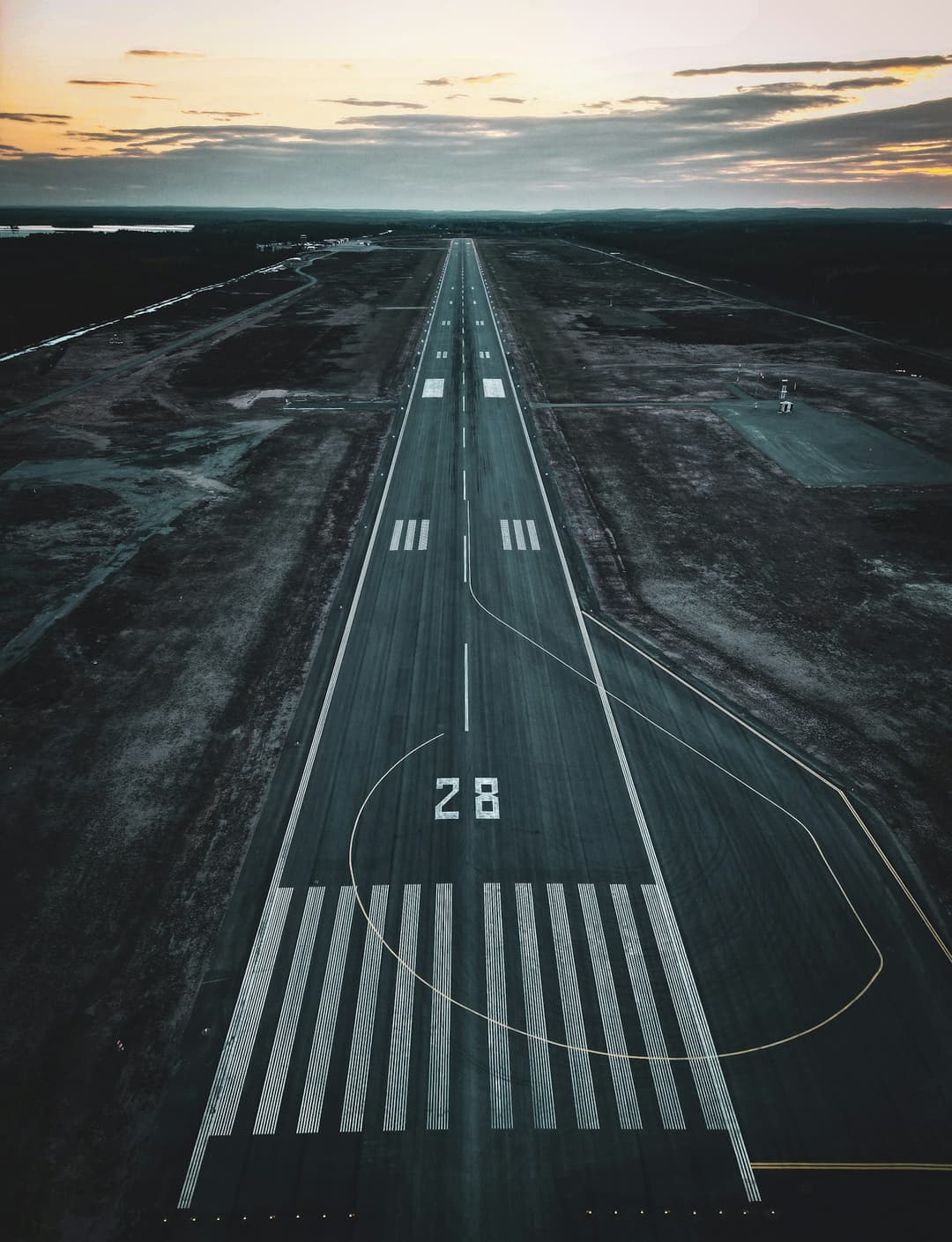
Drone closes Helsinki-Vantaa airport in first-ever HEL shutdown
A drone alert closed Helsinki-Vantaa airport 04:00–07:19 EEST on May 15, 2026, triggering shelter-in-place for 1.8 million people; flights diverted to Stockholm and Rovaniemi.
Related reading



Methodology: see /about/methodology. AirVeto is not for aviation, navigation, or safety-critical decisions.