
Cross-border tunnel found near Kabeliai before completion
VSAT Kabeliai Border Post detected a Belarus-to-Lithuania tunnel near Piesčiai, Varėna district on July 22, 2026. Diameter 1m, depth 1.5m, 5m in, no Lithuanian exit.
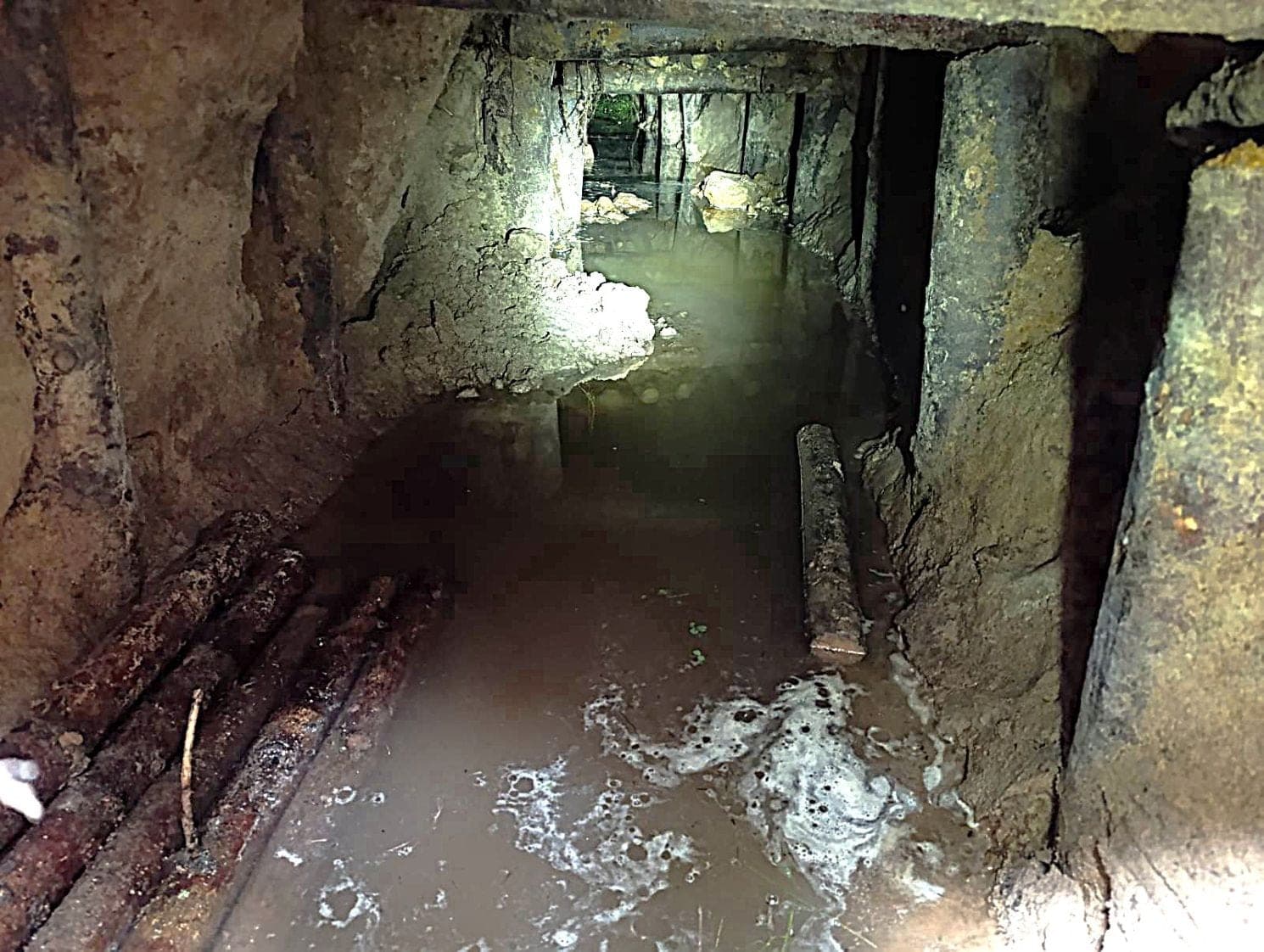
On Wednesday morning July 22, 2026, officers of the State Border Guard Service (VSAT) Kabeliai Border Post in the Varėna Border District detected ground vibrations from sensors installed along the patrol track near Piesčiai village, Varėna district, close to the state border with Belarus. The signal indicated digging from the Belarusian side toward Lithuania. VSAT publicly reported the find on July 27, 2026. The tunnel measured one meter in diameter and had been sunk to a depth of 1.5 meters; it extended five meters from the state border into Lithuanian territory. The Lithuanian exit had not been broken through. Officers secured the zone, documented the passage, and had it filled with earth. The Alytus District Prosecutor's Office, acting under the Kaunas Regional Prosecutor's Office, opened a pre-trial investigation into the criminal organisation of illegal border crossing.
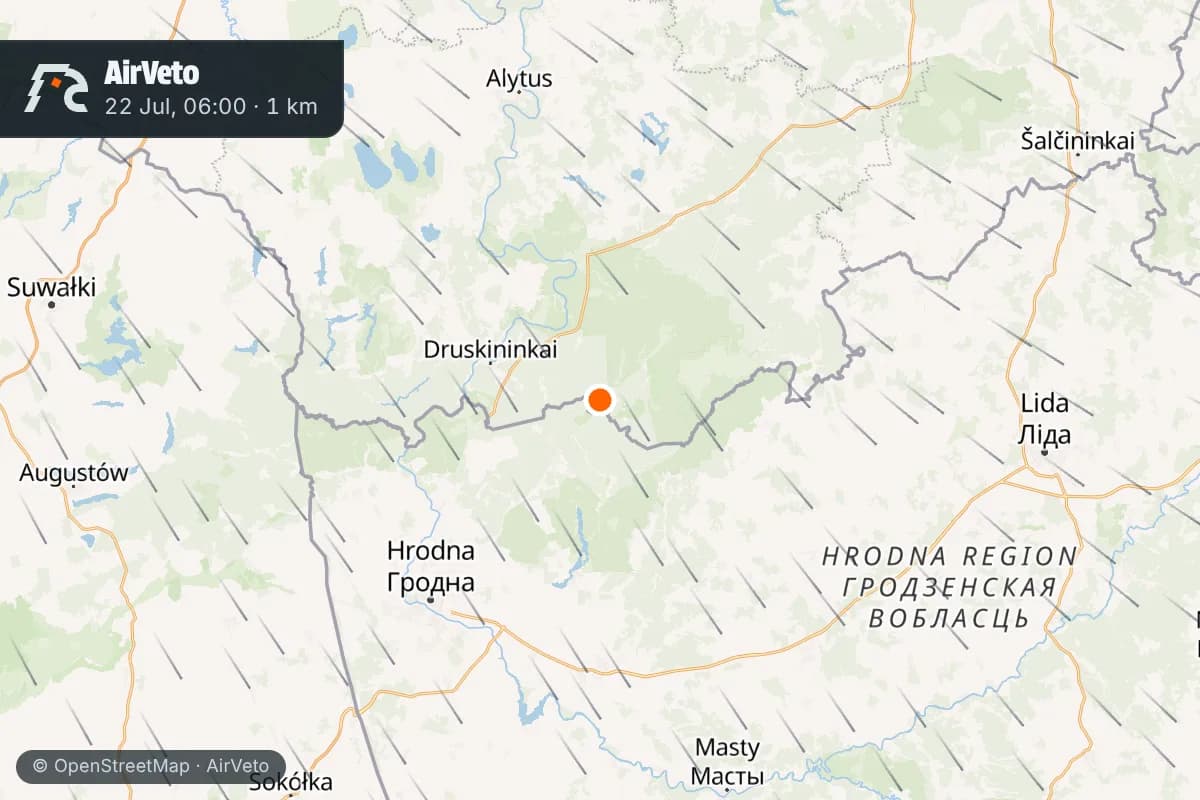
Ground-vibration sensors on the patrol track alerted the Kabeliai post to digging from Belarus
The Kabeliai Border Post operates along a stretch of the Lithuania-Belarus state border in Varėna district where the terrain is heavily forested. VSAT has installed ground-vibration sensors along the border patrol track in this section; the system is designed to detect mechanical disturbance beneath the surface and to alert the duty officer.
On Wednesday morning, July 22, 2026, the sensors registered a signal consistent with excavation from the Belarusian side. Border guards responded to the location and confirmed active tunnelling. The exact time of detection was not disclosed in the VSAT press release; "Wednesday morning" (Lithuanian: trečiadienio rytą) is the description given.
The detection came before the tunnel broke through on the Lithuanian side, which is the operationally significant outcome. A completed and concealed exit in Lithuanian territory would have been substantially harder to locate by routine patrol.
The passage reached 5 meters into Lithuania at 1.5 meters depth, with no exit on the Lithuanian side
The tunnel measured one meter in diameter throughout its documented length. It had been sunk to 1.5 meters below the surface - deep enough to pass under the ground-level patrol infrastructure - and had progressed five meters from the state border line into Lithuanian territory.
The interior of the passage was reinforced with wooden and metal supports along the walls, visible in the VSAT photographs. Water had pooled on the floor, consistent with the proximity to forested, low-lying terrain typical of this border section.
No exit point had been excavated on the Lithuanian side at the time of discovery. The passage ended in a closed face of earth. Whether the tunnel was intended for irregular migration, contraband transport, or both is not stated in the VSAT materials; the criminal investigation opened by the Alytus District Prosecutor's Office addresses the facilitation of illegal border crossing.
After documentation, the passage was filled with earth. No individuals were detained at the site.
The Kabeliai post dealt with a completed tunnel used by 18 migrants on May 6, 2026 - this July passage was caught before it broke through
The Kabeliai Border Post had direct precedent for tunnelling on this section. On May 6, 2026, the same post discovered a completed Belarus-to-Lithuania tunnel through which 18 irregular migrants had already crossed. That tunnel was operational and had been put to use before detection.
The 22 July tunnel was intercepted at the construction stage, before any crossing took place. The two finds at the same border post within ten weeks suggest a persistent actor or network targeting this stretch of the Varėna district border - and that the post's sensor infrastructure was effective on both occasions: the May tunnel was found after use, the July passage before.
Tunnels are rare on the Lithuania-Belarus border. Drone smuggling of contraband tobacco is the dominant method documented by VSAT throughout 2025 and 2026, with 35 drone interceptions recorded in the first seven months of 2026 alone, most recently near Tausiūnai on 26 July. Underground infrastructure requires substantially more preparation time than a drone run and is harder to reuse once discovered, but it is also invisible to aerial sensors and optical surveillance. The two Kabeliai tunnel finds in 2026 are currently the only documented cases of this method on the Lithuanian border this year.
This reconstruction is based on the VSAT press release of July 27, 2026 and reporting by LRT English, Baltic News Network, and 15min.lt.
Lithuanian border incidents are collected at Dronai Lietuvoje (in Lithuanian). The full incident archive is at incident archive.
Sources
- VSAT - Pasieniečiai suskubo laiku: prie Baltarusijos sienos iškastu požeminiu tuneliu neteisėti migrantai pasinaudoti nespėjo (27 Jul 2026)
- LRT English - Lithuanian border guards find tunnel from Belarus (27 Jul 2026)
- Baltic News Network - Lithuanian border guards discover tunnel from Belarus (27 Jul 2026)
- 15min.lt - Pasieniečiai suskubo laiku (27 Jul 2026)
- Methodology