

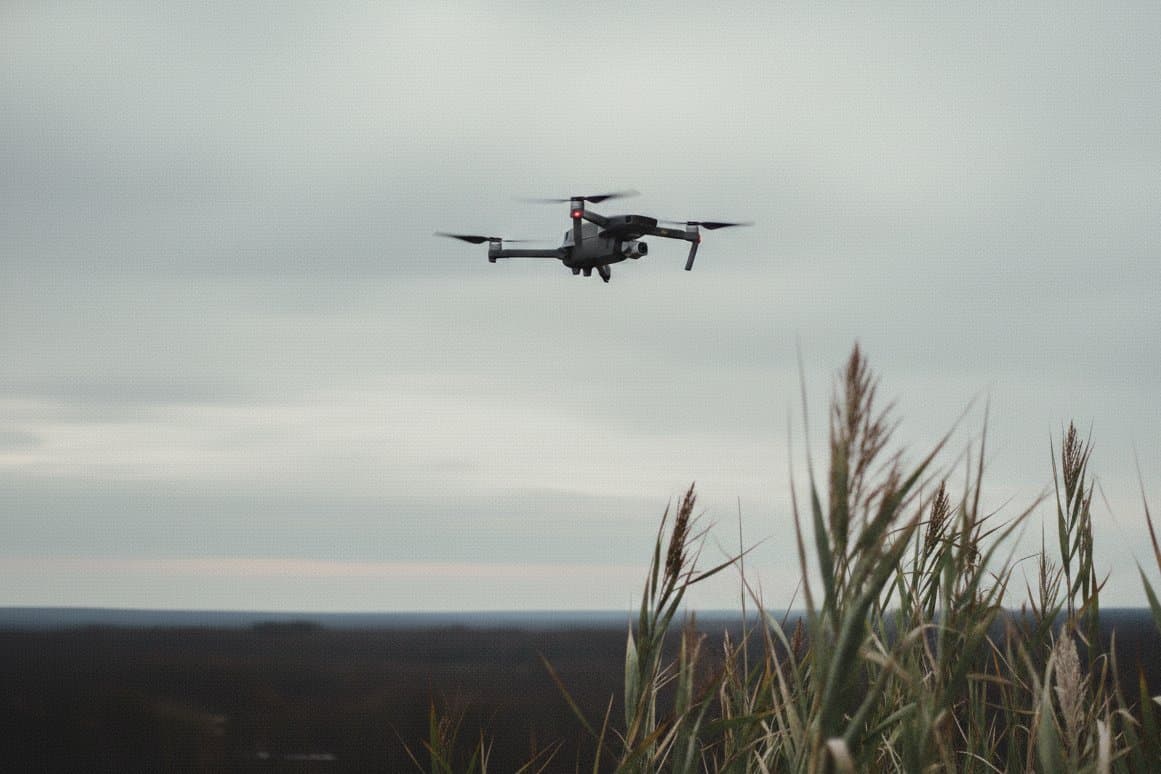
Zelenskyy calls Ukraine's drone strikes on Russian oil infrastructure "long-range sanctions." The framing is deliberate: this is economic warfare, not just battlefield pressure. "Each of our long-range sanctions," he said in late June, "is a reduction in the resources working for the Russian war machine, and another step towards peace."
Last week, Vladimir Putin sat in a meeting with government ministers and acknowledged the queues at petrol stations. He called the fuel shortages a problem. He mentioned that a full ban on diesel exports was under consideration.
This is from the leader of one of the largest oil-producing countries on earth. The long-range sanctions are working.
Fifty-plus strikes, a third of capacity offline
Since late March 2026, Ukraine has struck more than 50 Russian oil refineries, storage depots, and export terminals. By end of May, according to Meduza, not a single major refinery in the European part of Russia had escaped attack — most have been hit multiple times.
Ukrainian officials describe the campaign as deliberate strategic pressure: degrade fuel supply, constrain military logistics, slow front-line operations. The numbers suggest it's working. Estimates put offline refining capacity at roughly 25–33%. Politico reported that two-thirds of Russia's regions are experiencing fuel supply issues.
Russia banned gasoline exports on 1 April. Jet fuel exports were banned through November 2026. Crude oil processing fell to its lowest level since 2009. The rationing followed: sales limited to 20–30 litres per vehicle, jerry cans prohibited at the pump, multi-hour queues at filling stations across the country. The mayor of Irkutsk ordered portable toilets brought in for the lines. Russia's deputy central bank governor told reporters the fuel-sector constraint "will probably take something out of this year's GDP results."
Ust-Luga and Primorsk are the export side of the same problem
Most coverage focuses on refineries — the processing side. But Ukraine has also been targeting the export side: Ust-Luga and Primorsk, Russia's two largest Baltic oil export ports in Leningrad Oblast, together handling around 2 million barrels per day of crude.
In the week of 25–31 March, these two ports were struck five times. One attack damaged the railway unloading rack at Ust-Luga — the infrastructure that moves petroleum from tank cars into the port. Bloomberg reported 40% of Russia's oil export capacity temporarily offline from that cluster alone. By early July, the strikes on both refineries and export terminals have compounded into the fuel crisis Putin is now publicly managing.
This is the airspace zone AirVeto has been tracking since March. When Ukraine sends long-range drones toward Ust-Luga and Primorsk, those drones fly through or near the Gulf of Finland — the same airspace where stray drones have been entering Finnish and Baltic territory all spring.
Where the two problems overlap
The Kouvola crash on 29 March was a Ukrainian drone that missed Ust-Luga and came down in southeastern Finland. The Auvere power station strike on 25 March — a drone that physically hit an Estonian energy facility — came from the same strike wave. The Rēzekne oil depot fire on 7 May that toppled Latvia's government was another stray from the same campaign.