
Vyčio Skliautas 2026: Lithuania tests wartime mobilisation and a Poland evacuation corridor
Lithuania's largest mobilisation drill runs September 25-October 3, testing a 100,000-person reserve and a Suwałki Gap evacuation plan with Poland.
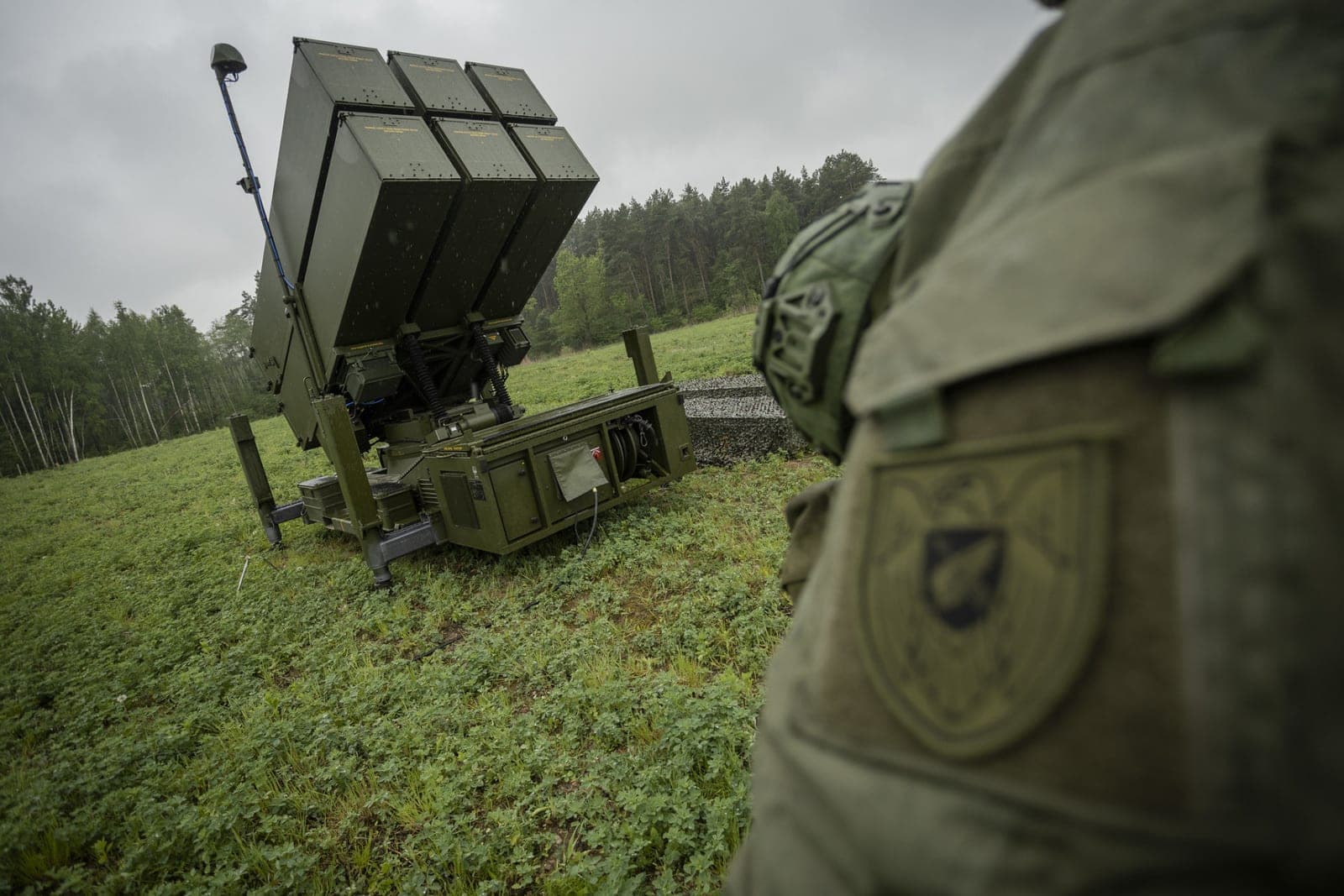
Lithuania launched its largest annual national mobilisation exercise, Vyčio Skliautas 2026, on September 25, running through October 3, per LRT. AirVeto has reconstructed 20 airspace incidents within 60 km of Vilnius in 2026. That is the zone the drill's evacuation scenario would empty, through the Suwałki Gap - the Suwałki Corridor - that Poland is now helping plan for.
What the exercise tests
The drill combines tabletop scenarios with practical tasks involving about 3,000 civil servants, officials, municipal and institutional representatives, businesses and NGOs, plus about 1,000 volunteers, the Government Chancellery told LRT. The fictional scenario covers disruptions to energy and communications systems, the reception of allied forces, and maintaining government operations under extraordinary conditions. Vilmantas Vitkauskas, head of Lithuania's National Crisis Management Centre (NKVC), said the exercise tests "the continuity of state governance and how institutions make and prioritise decisions under pressure," per LRT.
Two days carry the practical tests. On September 29, authorities test public warning systems: sirens, mobile alerts, and the LT72 emergency preparedness app. The drills also include evacuation exercises for residents of Vilnius and municipalities near the Belarusian border, built around a scenario involving a potential military incursion from Belarus, per LRT. In Lazdijai district, the Lithuanian Riflemen's Union runs a parallel exercise, Tvirtas Dzūkas 2026, focused on protecting critical infrastructure and supporting local authorities.
Poland is planning the exit route through the Suwałki Gap
A roughly 20-person Polish delegation is in Lithuania assessing procedures, logistics, and infrastructure capacity for an international evacuation plan, Vitkauskas told journalists, per LRT and Euronews. The plan would let Lithuania, Latvia, and Estonia move evacuees across the Polish border if needed, with the Suwałki Gap carrying the load. "We are extremely grateful to [Polish colleagues] for getting involved and for the strong interest they have shown. Poland's participation takes us to another level," Vitkauskas said, per LRT.
Euronews reports the two governments are testing warning systems, assembly and registration points, transport, and how evacuees would move through successive regions, with Poland's Podlaskie Voivodeship preparing to serve as the transit region. A Lithuanian and Latvian delegation already visited Poland in September on a study trip covering mass evacuation and reception logistics. A detailed joint plan follows once the two governments reach a formal agreement; Lithuania's own national evacuation plan already exists.
A 100,000-person reserve, activated for the first time
The exercise's civilian mobilisation personnel reserve targets about 100,000 people. It draws on civil servants, municipal employees, doctors, engineers, IT specialists, energy-sector workers, logistics planners, and police officers, who would keep their current roles rather than being reassigned, Vitkauskas said, per LRT. Lithuania is activating its state reserve for the first time during the drill, delivering stored food supplies to designated locations and preparing meals for exercise participants, NKVC's Aurimas Guščius told reporters. Hospitals are activating mass-casualty protocols in a tabletop exercise simulating hospital evacuation and a surge in casualties. Nine NGOs are providing humanitarian assistance this year, the largest NGO participation in the drill's history, per LRT.
The zone the drill rehearses moving people out of
Vyčio Skliautas's evacuation scenario centers on Vilnius and the municipalities bordering Belarus, the same area where most of Lithuania's airspace activity has landed this year. AirVeto has reconstructed 20 incidents within 60 km of Vilnius since January, including the Pratkūnai drone shootdown and the Antanišės drone crossing. The drill's own scenario is a potential military incursion from Belarus forcing evacuations toward Poland. That points straight at the Suwałki Corridor those incidents cluster around, though neither LRT nor Euronews ties the exercise's scheduling to any specific incident.
Officials describe the exercise as routine and not a response to an imminent threat. "This is a list of people and positions that enable us to ensure the provision of services," Vitkauskas said of the reserve, per LRT. He framed it as continuity planning, not crisis response. The next test comes September 29, when sirens and mobile alerts sound nationwide, followed by the exercise's close on October 3.