
Kotka drone alerts, July 2026 - four Gulf of Finland closures
Finland imposed four temporary airspace and maritime restrictions on the eastern Gulf of Finland between 2 and July 18, 2026, each linked to Ukrainian drone strikes near St Petersburg.
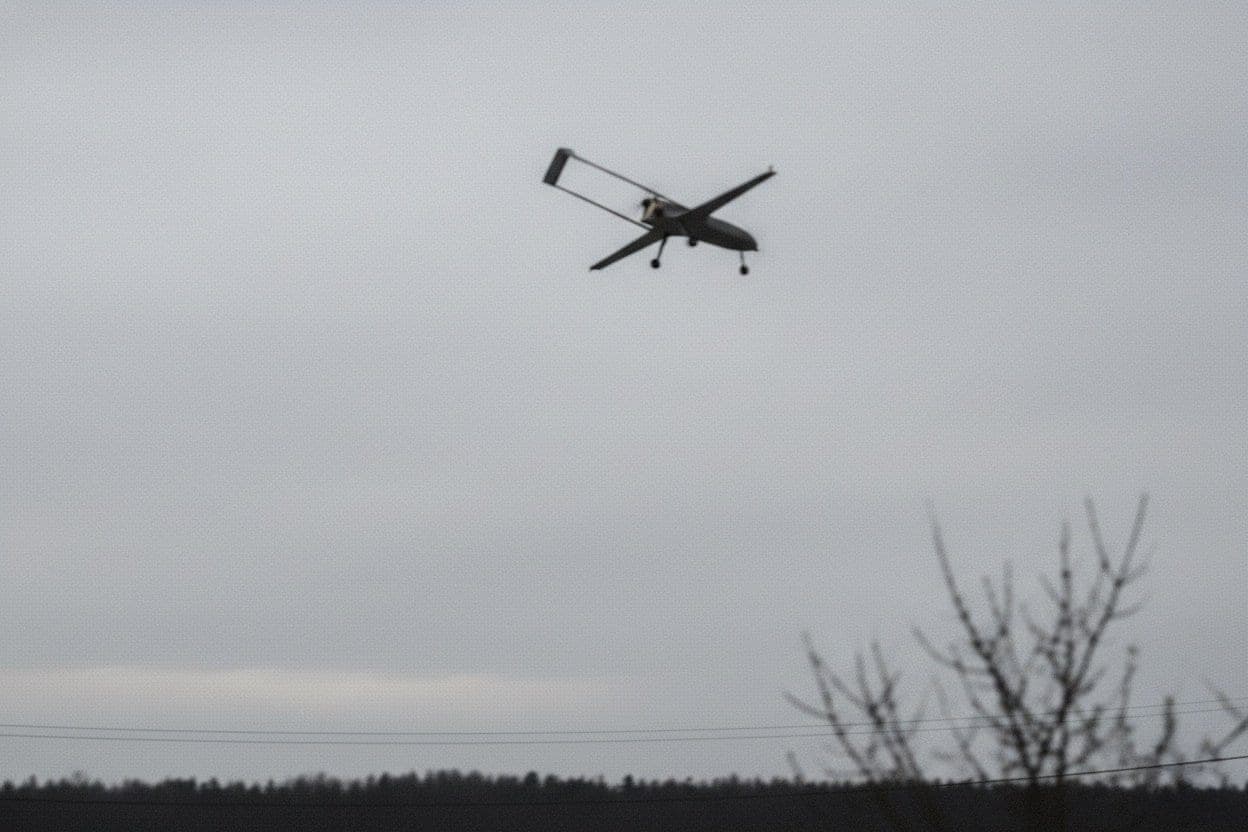
According to Yle and the Finnish Defence Forces (FDF), Finland imposed temporary airspace and maritime restrictions on the eastern Gulf of Finland on four separate mornings in July 2026: 2, 4, 6, and 18 July. Each restriction was imposed while Ukrainian drones conducted strikes on Russian oil and logistics infrastructure in the Leningrad region; GPS spoofing routinely deflects these aircraft north or northwest from their programmed flight paths, and on each occasion the FDF confirmed no drone crossed into Finnish territory. According to Yle, the 18 July restriction covered the eastern Gulf of Finland from 02:45 UTC to 06:00 UTC; AirVeto's wind reconstruction covers the same window at 500 m.
Four restrictions in 16 days, all tied to Leningrad strikes
The first restriction in the series opened on July 2, 2026 at 04:26 local time (01:26 UTC). The FDF established a temporary aviation restriction zone over the eastern Gulf of Finland; it was lifted shortly after 06:00 EEST (03:00 UTC) once authorities confirmed no drones had entered Finnish airspace. Residents near the southeastern coast reported hearing military aircraft during the window.
The pattern repeated on July 4, 2026. Restrictions were imposed just after 05:00 EEST (02:00 UTC) and remained in place until 09:18 EEST (06:18 UTC), roughly four hours. Defence Minister Antti Häkkänen confirmed that the restrictions were precautionary and linked directly to a Ukrainian drone strike package targeting Russian infrastructure near St Petersburg. He stated the situation was not considered serious enough to warrant issuing air-raid warnings to residents along the Gulf of Finland coast. No violations of Finnish airspace were recorded.
A third restriction was imposed on July 6, 2026, again in the eastern Gulf of Finland and again without a drone entering Finnish territory.
The most recent event in the series, on July 18, 2026, drew the most detailed response. The FDF restricted both the maritime zone and airspace near Kotka from 05:45 EEST (02:45 UTC) to approximately 09:00 EEST (06:00 UTC). Finland's traffic management authority Fintraffic temporarily closed shipping lanes in the coastal waters south of Kotka. FDF General Staff spokesperson Jere Paldanius told Yle that the restrictions were related to Ukrainian drone strikes on Russia. Residents in southeastern Finland reported hearing fighter jets conducting airspace patrols over the Gulf during the restriction window. No drones crossed into Finnish territory.
July's restrictions differ from the March-April incursion series
Between 29 March and April 11, 2026, Ukrainian drones physically entered and came down in southeastern Finland on three confirmed occasions: near Kouvola on 29 March, at Parikkala on 31 March, and in Iitti on 11 April. Each left physical wreckage and triggered National Bureau of Investigation (NBI) criminal proceedings. The Helsinki-Vantaa airport closure on May 15, 2026 added a fourth disruption, also without a confirmed incursion.
The July series is operationally distinct. None of the four July events resulted in a drone entering Finnish territory. The FDF detected each threat, imposed the restriction window, kept fighters airborne, and stood the zone down once the risk had passed. By 18 July the FDF had imposed 4 Gulf of Finland restrictions in 16 days, a tempo the spring series did not approach. Whether this reflects improved Russian electronic warfare performance, more timely FDF detection, or trajectory variance is not confirmed by any sourced statement.
This reconstruction draws on reporting by Yle, Ukrainska Pravda, the Kyiv Post, and the Helsinki Times, and on AirVeto's wind-model data for the 02:45-06:00 UTC window on July 18, 2026. The wind layer shows atmospheric conditions over the eastern Gulf of Finland for the restriction window. Methodology: methodology. Full incident archive: incident archive.
Sources
- Yle - Airspace briefly restricted over eastern Gulf of Finland due to potential drone risk (2 Jul 2026)
- Yle - Finland imposes no-fly zone over eastern Gulf of Finland (4 Jul 2026)
- Yle - Ukrainian drone strikes in Russia prompt Finland to briefly restrict airspace, maritime areas (18 Jul 2026)
- Ukrainska Pravda - Finland restricted air and sea traffic due to Ukrainian drone strikes near St Petersburg (4 Jul 2026)
- Kyiv Post - Finland Restricts Maritime and Air Traffic in Gulf of Finland Over Drone Threat (18 Jul 2026)
- Helsinki Times - Ukraine drone strikes prompt Finnish airspace restrictions (2026)
- IceNews - Maritime and air traffic in the Gulf of Finland tightened in response to possible drone threat (19 Jul 2026)
- Methodology